
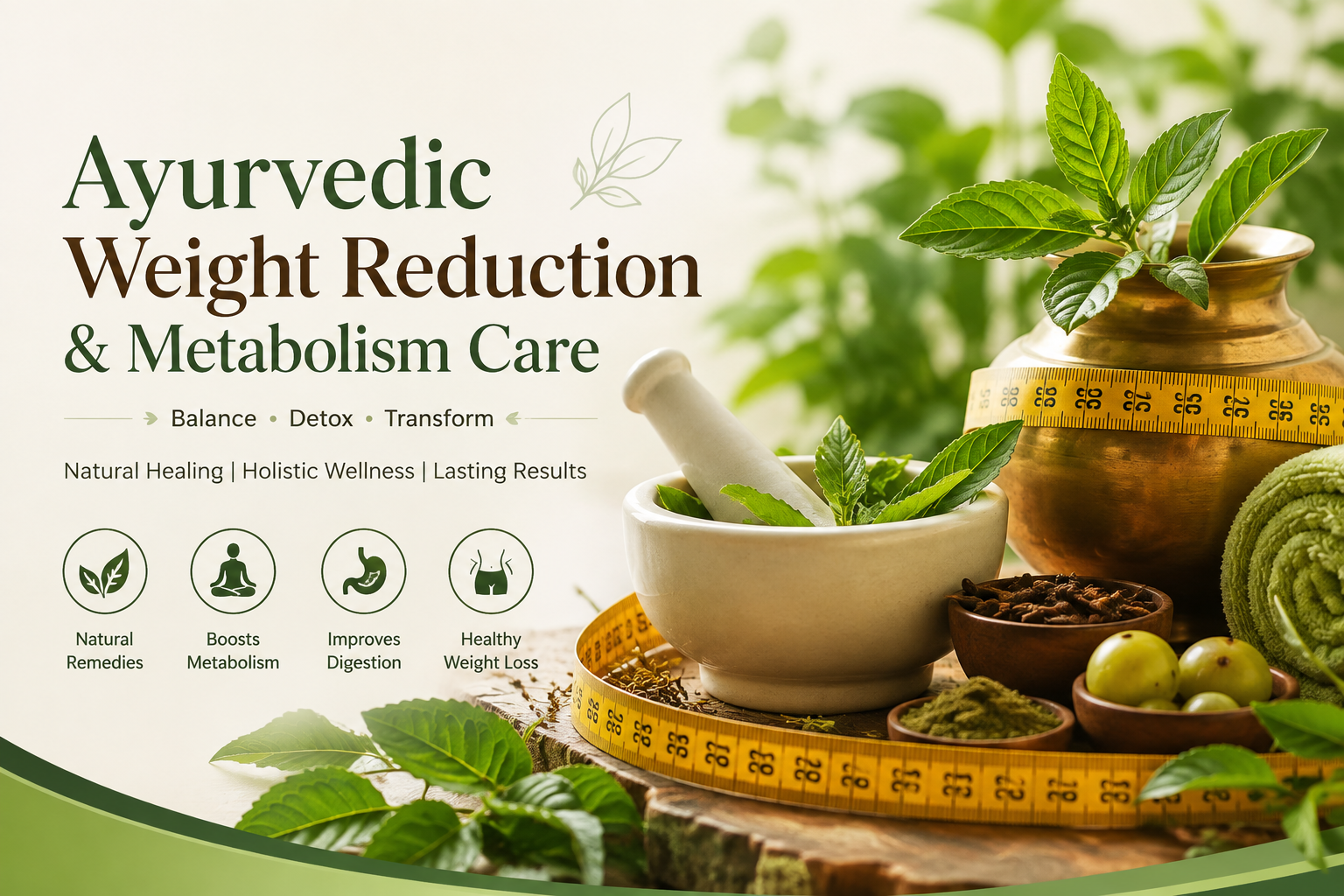
Weight gain and sluggish metabolism have become two of the most common health concerns in modern life. Between long working hours, processed foods, irregular sleep, and constant stress, the body’s natural digestive fire — what Ayurveda calls Agni — often gets disturbed. This imbalance doesn’t just lead to unwanted weight gain; it also affects energy levels, digestion, hormonal balance, and overall vitality.
Unlike crash diets or quick-fix supplements that offer temporary results, Ayurveda approaches weight management as a holistic process. It looks at the root cause of weight gain rather than just the symptom, addressing digestion, metabolism, mental wellbeing, and daily routine together. This article explores how Ayurvedic principles, herbs, therapies, and lifestyle practices can support sustainable weight reduction and long-term metabolic health.
Understanding Weight Gain the Ayurvedic Way
In Ayurveda, the body is governed by three biological energies known as doshas — Vata, Pitta, and Kapha. Each person has a unique constitution, or Prakriti, made up of these three doshas in varying proportions. Weight gain is most closely linked to an imbalance in Kapha dosha, which governs structure, stability, and lubrication in the body.
When Kapha becomes excessive due to poor diet, lack of movement, or emotional stagnation, it slows down metabolism and leads to the accumulation of Ama — a toxic, undigested residue that Ayurveda considers the root cause of most chronic health issues, including obesity. Ama clogs the body’s channels (srotas), disrupts digestion, and makes it increasingly difficult for the body to burn fat efficiently, even with exercise and calorie control.
This is why many people struggle to lose weight despite following restrictive diets. The real issue often isn’t calorie intake alone — it’s an underlying digestive and metabolic imbalance that needs to be corrected first.
The Role of Agni (Digestive Fire) in Metabolism
Agni is considered the cornerstone of good health in Ayurveda. It represents the body’s capacity to digest, absorb, and transform food into usable energy. When Agni is strong, the body efficiently converts nutrients into tissue and energy, and naturally maintains a healthy weight. When Agni is weak or irregular, digestion becomes incomplete, leading to toxin buildup, bloating, fatigue, and gradual weight gain.
Ayurvedic weight management therefore focuses first on restoring and stabilizing Agni before anything else. This is done through:
- Eating warm, freshly cooked meals rather than cold or processed foods
- Avoiding overeating and maintaining proper meal timings
- Including digestive spices like ginger, cumin, black pepper, and turmeric in daily cooking
- Drinking warm water or herbal teas instead of cold beverages
- Allowing adequate gaps between meals to let digestion complete fully
Once Agni is balanced, the body naturally starts to metabolize fat more efficiently, and weight loss becomes a gradual, sustainable process rather than a forced one.
Ayurvedic Herbs for Weight Reduction and Metabolism
Several herbs used in Ayurvedic medicine have been traditionally valued for their ability to support fat metabolism, reduce Kapha, and improve digestion. Some of the most widely used include:
Triphala – A combination of three fruits (Amalaki, Bibhitaki, and Haritaki), Triphala supports healthy digestion, gentle detoxification, and regular elimination, all of which are essential for weight management.
Guggul – Known for its fat-metabolizing properties, Guggul has been used for centuries to support healthy cholesterol levels and stimulate metabolic activity.
Punarnava – This herb is valued for supporting healthy fluid balance in the body and reducing water retention, which can otherwise be mistaken for fat gain.
Vijaysar – Often used to support balanced blood sugar levels, which indirectly helps control cravings and unnecessary fat storage.
Ginger and Trikatu – A blend of ginger, black pepper, and long pepper, Trikatu is known to kindle Agni and improve nutrient absorption while reducing Kapha-related sluggishness.
Garcinia and Musta – Traditionally used to support appetite control and reduce excess Kapha accumulation in the tissues.
It’s important to note that herbal remedies work best when used under the guidance of a qualified Ayurvedic practitioner, as dosage and combinations are often personalized based on individual constitution and imbalance.
Ayurvedic Diet Principles for Sustainable Weight Loss
Diet plays a central role in Ayurvedic weight management, but the approach is very different from calorie-counting or restrictive dieting. Instead, it focuses on food quality, timing, and how food interacts with your unique constitution.
Favor Warm, Light, and Freshly Cooked Foods
Cold, heavy, and oily foods aggravate Kapha and slow digestion. Warm soups, steamed vegetables, and freshly prepared meals are easier to digest and help maintain a steady metabolism.
Reduce Sweet, Sour, and Salty Tastes
According to Ayurveda, excessive intake of sweet, sour, and salty tastes increases Kapha and contributes to weight gain. Instead, meals should include more bitter, pungent, and astringent tastes — found in leafy greens, legumes, and spices — to help balance Kapha.
Eat Your Largest Meal at Midday
Digestive fire is believed to be strongest around noon, making lunch the ideal time for the day’s largest meal. Dinner should be light and eaten a few hours before bedtime to avoid burdening digestion overnight.
Avoid Snacking Between Meals
Constant grazing prevents Agni from resetting between meals, weakening digestion over time. Allowing 3–4 hours between meals supports better nutrient absorption and fat metabolism.
Practice Mindful Eating
Ayurveda emphasizes eating without distraction, chewing thoroughly, and stopping before feeling completely full. This simple habit alone can significantly improve digestion and prevent overeating.
Panchakarma and Detox Therapies for Metabolic Reset
For individuals dealing with long-standing weight issues or sluggish metabolism, Ayurveda often recommends Panchakarma — a structured detoxification program designed to eliminate accumulated Ama and restore doshic balance.
Some therapies commonly used within weight-focused Panchakarma programs include:
- Udvartana – A herbal powder massage that stimulates circulation, breaks down subcutaneous fat, and exfoliates the skin
- Swedana – Herbal steam therapy that helps open channels and eliminate toxins through sweat
- Virechana – A supervised therapeutic purgation used to cleanse excess Pitta and Kapha from the digestive system
- Basti – Medicated enema therapy, particularly useful for balancing Vata and supporting overall metabolic function
These therapies are typically administered under professional supervision as part of a personalized treatment plan, since they require careful assessment of an individual’s constitution and health status.
Lifestyle Practices That Support Metabolism
Alongside diet and herbs, Ayurveda places strong emphasis on daily routine, or Dinacharya, as a foundation for metabolic health.
Wake up early – Rising with or before sunrise is believed to align the body with natural Kapha-reducing energy, preventing the sluggishness associated with late mornings.
Exercise daily – Regular movement, especially in the morning, helps stimulate Agni and reduce Kapha buildup. Yoga postures such as Surya Namaskar (Sun Salutations), twists, and core-strengthening poses are traditionally recommended for metabolism support.
Practice Pranayama – Breathing techniques like Kapalbhati and Bhastrika are believed to stimulate digestive fire and improve oxygen circulation, supporting fat metabolism.
Prioritize sleep quality – Both oversleeping and sleep deprivation can disturb dosha balance. Ayurveda recommends consistent sleep and wake times to support hormonal and metabolic regularity.
Manage stress – Chronic stress is known to elevate cortisol and disrupt digestion. Practices like meditation, self-massage (Abhyanga), and spending time in nature are encouraged to keep the nervous system balanced.
Why a Personalized Approach Matters
One of the biggest differences between Ayurveda and conventional weight-loss approaches is its emphasis on individuality. No two people have the same constitution, digestive strength, or root cause of weight gain. A Vata-dominant person struggling with weight, for example, may need a very different approach than someone with Kapha-dominant weight gain.
This is why self-treatment based on generic advice often falls short. A proper Ayurvedic consultation typically involves a detailed assessment of your constitution, current dosha imbalance, digestive strength, lifestyle habits, and any underlying health conditions before recommending a personalized combination of diet, herbs, and therapies.
For those in the UAE seeking professional guidance, consulting an experienced ayurvedic clinic in Abu Dhabi can help ensure that your weight reduction plan is tailored specifically to your body type and health needs, rather than relying on one-size-fits-all solutions.
Common Mistakes to Avoid in Ayurvedic Weight Management
While Ayurveda offers a gentle and sustainable path to weight loss, results can be slowed or hindered by a few common mistakes:
- Expecting rapid results, similar to crash diets — Ayurvedic weight loss is gradual and focuses on long-term balance
- Using herbs without professional guidance, which can lead to incorrect dosing or ineffective combinations
- Ignoring lifestyle factors like sleep and stress while only focusing on diet
- Ordering only from a fixed diet chart without adjusting for individual dosha imbalance
- Discontinuing practices too early, before digestive and metabolic patterns have had time to stabilize
Patience and consistency are key. Ayurveda doesn’t just aim to reduce numbers on a scale — it aims to restore the body’s natural ability to regulate weight on its own.
Final Thoughts
Ayurvedic weight reduction and metabolism care isn’t about quick fixes or extreme restriction. It’s a comprehensive approach that addresses digestion, detoxification, diet, herbs, and daily routine together, working with the body rather than against it. By restoring Agni, balancing Kapha, and eliminating accumulated toxins, Ayurveda offers a path to weight management that supports not just a healthier weight, but improved energy, digestion, and overall wellbeing.
If you’re looking to begin this journey, consider consulting a qualified Ayurvedic practitioner who can assess your unique constitution and design a plan suited specifically to your body and lifestyle. Sustainable change takes time, but with the right guidance, Ayurveda offers tools that support lasting results — not just for your weight, but for your overall health.