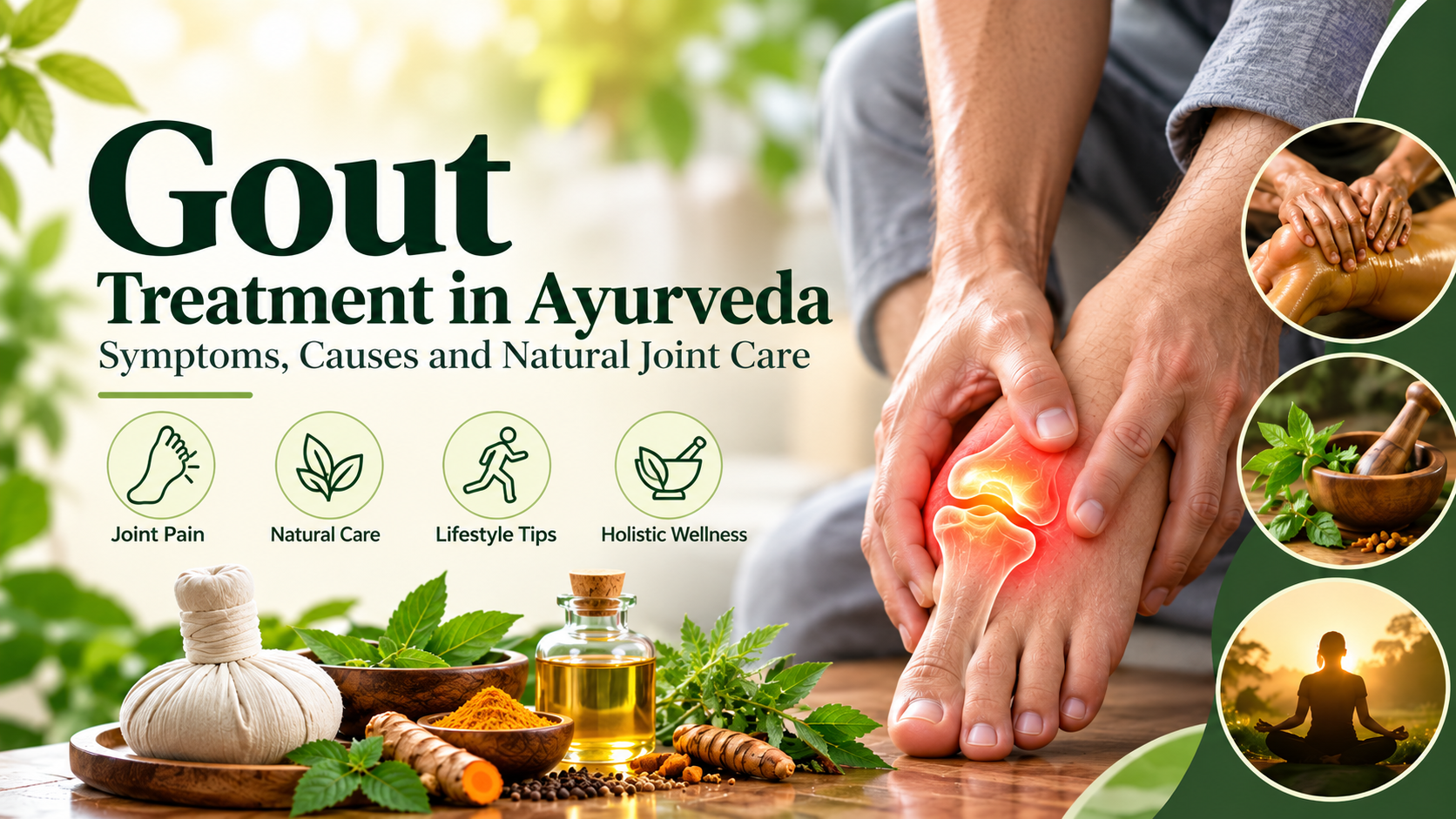
Gout is a form of inflammatory arthritis that can cause sudden, intense joint pain, swelling, redness and tenderness. It commonly affects the big toe, but it can also develop in the ankles, knees, wrists and other joints. A gout attack may begin unexpectedly, sometimes during the night, and make even light contact with the affected area extremely painful.
Gout develops when uric acid builds up in the body and forms crystals in and around the joints. Although dietary habits can influence uric acid levels, gout is a complex medical condition involving metabolism, kidney function, genetics and other health factors.
Many people explore traditional approaches alongside medical care to support their joint comfort and overall well-being. Understanding the role of Ayurvedic therapies, dietary choices and evidence-based treatment can help people make informed decisions about managing gout.
At Theja Ayurvedic Medical Center, people interested in traditional wellness approaches can enquire about consultation options and the suitability of available services. This guide explains gout symptoms, possible causes, Ayurvedic perspectives, lifestyle considerations and when medical attention is necessary.
What Is Gout?
Gout is a type of arthritis caused by the formation of monosodium urate crystals in joints and surrounding tissues. These crystals develop when uric acid levels remain sufficiently high for long enough in susceptible individuals.
Uric acid is produced when the body breaks down substances called purines. The kidneys normally remove much of the uric acid through urine. When the body produces too much uric acid or the kidneys do not remove enough, levels can increase.
However, having high uric acid does not automatically mean a person has gout. Some people have elevated uric acid levels without developing symptoms, while others experience repeated inflammatory attacks.
A gout flare can cause severe pain over several hours, followed by gradual improvement over days or weeks. Without appropriate management, attacks may become more frequent, and long-term crystal deposits called tophi can develop around joints or other tissues.
Repeated gout attacks can damage joints. For this reason, effective management involves addressing both immediate inflammation and the underlying uric acid problem.
Common Symptoms of Gout
Recognising the symptoms of gout can help people seek timely assessment and appropriate treatment.
1. Sudden and Severe Joint Pain
Gout frequently causes intense pain in the big toe. However, the ankles, knees, feet, wrists and fingers may also be affected.
Pain can develop rapidly, sometimes overnight. The affected joint may become so sensitive that wearing footwear or allowing bedsheets to touch the skin becomes uncomfortable.
2. Redness and Swelling
During a gout flare, the affected joint may appear red, swollen and inflamed. The surrounding skin can feel warm, and movement may become difficult.
These symptoms are not exclusive to gout. Joint infections and other inflammatory conditions can produce similar signs, so an accurate diagnosis is important.
3. Tenderness and Restricted Movement
A person experiencing gout may find it difficult to walk, stand comfortably or move the affected joint. Tenderness may remain even after the most intense pain begins to settle.
4. Repeated Episodes of Joint Inflammation
Some people experience long periods without symptoms between attacks. However, gout can return if the underlying condition is not adequately managed.
Repeated episodes should not be ignored, even if the pain disappears without treatment.
5. Tophi in Long-Standing Gout
In some people with persistent, poorly controlled gout, urate crystals accumulate into firm lumps called tophi. These can develop around fingers, toes, elbows, ears or other areas.
Tophi can affect movement and may indicate a substantial crystal burden requiring medical evaluation.
What Causes High Uric Acid and Gout?
Gout usually develops through a combination of genetic, metabolic, medical and lifestyle factors.
Reduced kidney clearance: The kidneys play an important role in removing uric acid. Reduced kidney function can increase the likelihood of elevated levels.
Family history: Genetics can influence how the body produces and removes uric acid. Gout can run in families.
Dietary factors: Foods rich in purines, including organ meats and certain seafood, can contribute to uric acid production. Dietary habits are only one part of the picture.
Alcohol consumption: Alcohol, particularly beer and spirits, can increase gout risk or contribute to attacks in susceptible people.
Sugary drinks: Drinks containing substantial amounts of fructose may contribute to higher uric acid levels.
Excess body weight: Being overweight can increase the risk of gout and is often associated with metabolic conditions that affect uric acid regulation.
Certain medicines: Some diuretics and other medicines can influence uric acid levels. Never stop or change a prescribed medicine without discussing it with your doctor.
Associated health conditions: Chronic kidney disease, hypertension, diabetes and other metabolic conditions can occur alongside gout and may affect treatment decisions.
Identifying the factors relevant to an individual is an important step towards preventing future attacks.
Understanding Gout Through Ayurveda
Ayurveda is a traditional Indian system of healthcare that considers an individual’s symptoms, lifestyle, dietary habits and overall health when developing a care approach.
Traditional Ayurvedic practice describes joint pain and inflammatory symptoms through its own diagnostic framework. A practitioner may consider factors associated with the traditional concepts of Vata and Pitta when evaluating a person experiencing joint discomfort.
These concepts belong to the Ayurvedic system and should not be considered equivalent to the modern medical explanation of urate crystal formation.
Gout requires particular care because its underlying mechanism involves uric acid and crystal deposition. Traditional therapies may be explored for supportive comfort and general well-being, but they have not been established as a replacement for treatments that lower uric acid or control acute inflammation.
An appropriate approach should therefore combine an individual assessment with a clear understanding of the potential benefits, limitations and risks of complementary care.
Ayurvedic Treatment for Gout: What Should You Know?
People exploring traditional joint-care approaches should understand that no single Ayurvedic therapy has been conclusively demonstrated to eliminate urate crystals or cure gout.
Depending on a person’s health, symptoms and medical history, an Ayurvedic practitioner may discuss supportive approaches. Their suitability must be assessed individually, especially during an active flare.
1. Abhyanga and Gentle Massage
Abhyanga is a traditional Ayurvedic oil massage used in wellness practices.
Some people seek massage for relaxation or general muscular comfort. However, massage does not remove uric acid crystals, and there is insufficient evidence to recommend it as a treatment for gout itself.
Important precaution: Do not massage an acutely painful, red, hot or swollen joint during a gout attack. Pressure and manipulation may worsen discomfort. Wait until the flare has settled and obtain professional advice before considering massage.
2. Traditional Heat-Based Therapies
Some Ayurvedic practices involve heat or steam as part of traditional wellness care.
Heat-based treatments should not be assumed to treat the underlying cause of gout. During an acute attack, the affected joint is often already hot and inflamed, so applying heat may increase discomfort.
A clinician can advise whether any supportive therapy is appropriate once the acute symptoms have resolved.
3. Herbal Preparations
Ayurvedic practice includes various traditional herbal preparations. However, evidence for their effectiveness in treating gout or reliably lowering uric acid is limited.
Natural products can still cause side effects, interact with prescribed medicines or affect kidney and liver function. Some products may also contain undeclared ingredients or harmful contaminants.
People with kidney disease, diabetes, cardiovascular conditions or other chronic illnesses should be particularly cautious. Discuss every proposed herbal preparation with a qualified healthcare professional and pharmacist before use.
Do not replace prescribed gout medication with herbal products.
4. Individualised Dietary Guidance
Dietary advice may form part of an Ayurvedic consultation. A balanced, sustainable eating pattern can support general health and may help reduce certain gout risk factors.
However, there is no established Ayurvedic diet that independently cures gout or guarantees normal uric acid levels.
Dietary recommendations should complement appropriate medical management rather than replace it.
Evidence-Based Medical Treatment for Gout
Managing gout effectively requires attention to both acute attacks and long-term prevention.
Treatment During an Acute Gout Attack
A doctor may recommend medication to reduce inflammation and pain. Depending on the person’s medical history and other medicines, options can include non-steroidal anti-inflammatory drugs, colchicine or corticosteroids.
These medicines are not suitable for everyone. Kidney function, stomach problems, cardiovascular conditions, drug interactions and other factors influence which treatment is safest.
Resting the affected joint and applying a wrapped cold pack for short periods may help reduce discomfort. Avoid applying ice directly to the skin.
Seek prompt medical advice for a suspected first gout attack or symptoms that are unusually severe.
Long-Term Uric Acid Management
People with recurrent attacks, tophi or gout-related joint damage may need urate-lowering medication. Allopurinol is a commonly recommended first-line option, while other medicines may be appropriate in selected circumstances.
Treatment is individualised, and doses are adjusted according to medical assessment and repeated blood tests. A commonly recommended serum urate target is below 6 mg/dL, although some people require a lower target.
For many people who need urate-lowering treatment, medication is continued long-term. Stopping treatment without medical advice can allow uric acid levels to rise and gout to return.
Diet and lifestyle changes are helpful, but they cannot reliably replace indicated urate-lowering medication.
Dietary Tips for People With Gout
A balanced diet can support gout management and overall health. The goal is to reduce avoidable risk factors without following unnecessarily restrictive eating plans.
Foods to Limit
Organ meats: Liver, kidney and similar organ meats are particularly rich in purines.
Certain seafood: Some shellfish, anchovies, sardines and other seafood contain substantial amounts of purines. Individual dietary advice can help determine appropriate portions.
Alcohol: Beer and spirits can increase the risk of gout attacks. Reducing or avoiding alcohol may be beneficial, particularly for people experiencing recurrent flares.
Sugary drinks: Soft drinks and other beverages containing large amounts of added sugar or fructose are worth limiting.
Foods to Include
Vegetables: Eat a variety of vegetables as part of a balanced diet. Purine-containing vegetables do not generally need to be avoided in the same way as organ meats.
Whole grains: Oats, whole-wheat products and other whole grains can contribute fibre and support a balanced eating pattern.
Low-fat dairy: Milk and yoghurt may be suitable options and are associated with a lower risk of gout in some studies.
Water: Adequate fluid intake supports general health. People with heart or kidney conditions who have fluid restrictions should follow their clinician’s advice.
Balanced meals: Include appropriate portions of vegetables, whole grains and protein sources suited to your medical needs.
Avoid crash diets and prolonged fasting, as rapid weight loss and ketosis can trigger gout attacks in susceptible people.
Lifestyle Changes That May Help Prevent Gout Attacks
Lifestyle measures are most effective when combined with an appropriate medical plan.
Maintain a Healthy Weight
If you are overweight, gradual and sustainable weight loss may help reduce gout risk. Avoid extreme diets or rapid weight-loss programmes.
Stay Physically Active
Regular physical activity supports cardiovascular health, mobility and weight management. Choose activities that suit your fitness level and avoid putting unnecessary pressure on an acutely inflamed joint.
Stay Hydrated
Drink water regularly unless a healthcare professional has advised you to restrict fluids. Hydration is helpful for general health but is not a standalone treatment for gout.
Review Your Medicines
Ask your doctor whether any current medicines may affect uric acid levels. Do not discontinue blood pressure medication, diuretics or other prescriptions independently.
Monitor Uric Acid Levels
People receiving long-term gout treatment may need regular blood tests to check serum urate and assess whether treatment is achieving its target. Your clinician may also monitor kidney function and medication safety.
When Should You Seek Medical Attention?
A hot, red, swollen joint can indicate gout, but it can also be caused by a joint infection or another urgent condition.
Seek urgent medical assessment if you experience a suddenly painful, hot and swollen joint, particularly if you also have fever, chills or feel unwell. A joint infection requires prompt treatment.
Medical assessment is also important when you experience your first suspected gout attack, repeated episodes of joint inflammation, persistent symptoms or lumps that may represent tophi.
People with kidney disease or other chronic conditions should seek professional guidance before starting new medicines, supplements, herbal products or traditional therapies.
Exploring Ayurvedic Care in Abu Dhabi
People interested in traditional wellness approaches may wish to discuss supportive care with a qualified practitioner. When searching for ayurvedic treatment in abu dhabi, choose a provider that explains treatment limitations, checks relevant medical history and recognises when referral to a medical specialist is necessary.
Before starting any complementary treatment, ask about:
- The purpose of the proposed therapy.
- Whether it is appropriate during or after a gout flare.
- Potential interactions with medicines or supplements.
- Precautions related to kidney function and other medical conditions.
- How progress and adverse effects will be monitored.
At Theja Ayurvedic Medical Center, prospective patients can enquire about consultation options and the suitability of available services. Any proposed care should be individualised, and people with gout should continue appropriate medical assessment and treatment.
Frequently Asked Questions About Gout and Ayurveda
1. Can Ayurveda cure gout permanently?
There is insufficient high-quality evidence that Ayurvedic therapies cure gout or eliminate urate crystals. Some complementary practices may be explored for general comfort, but gout requires appropriate medical diagnosis and management.
2. Can Ayurvedic medicine reduce uric acid?
Certain traditional preparations are promoted for joint health, but reliable evidence that they consistently lower uric acid and prevent gout attacks is limited. Do not replace prescribed medication with herbal products.
3. Which foods should people with gout avoid?
Organ meats, certain seafood, alcohol and sugary drinks can contribute to gout risk. Dietary needs vary, so a balanced eating plan is preferable to unnecessarily restrictive diets.
4. Is massage safe during a gout attack?
Massage should be avoided over a joint that is acutely painful, hot, red or swollen. Seek medical advice and consider supportive therapies only when appropriate.
5. Can drinking water lower uric acid?
Adequate hydration supports general health, but drinking water alone cannot reliably control gout or remove established urate crystals. Follow medical advice if you have fluid restrictions.
6. Does high uric acid always mean gout?
No. Some people have elevated uric acid without developing gout. Diagnosis depends on symptoms, clinical assessment and, when necessary, additional investigations.
7. Can gout damage joints permanently?
Yes. Repeated or poorly controlled gout can cause joint damage and tophi. Appropriate treatment can reduce attacks and help prevent long-term complications.
Conclusion
Gout is a manageable medical condition, but it requires more than temporary pain relief. Understanding the causes, recognising symptoms early, making sustainable lifestyle changes and following an appropriate medical treatment plan can help reduce attacks and protect joint health.
Ayurvedic approaches may be considered for supportive wellness when appropriate, but their benefits should not be overstated. They should not replace proven treatments that control inflammation and lower uric acid when indicated.
If you are exploring traditional joint-care options at Theja Ayurvedic Medical Center, seek an individual consultation to understand which services may be suitable for your needs.
Medical disclaimer: This article is for educational purposes only and does not replace professional medical advice, diagnosis or treatment. Always consult a qualified healthcare professional about gout symptoms and medication decisions.