
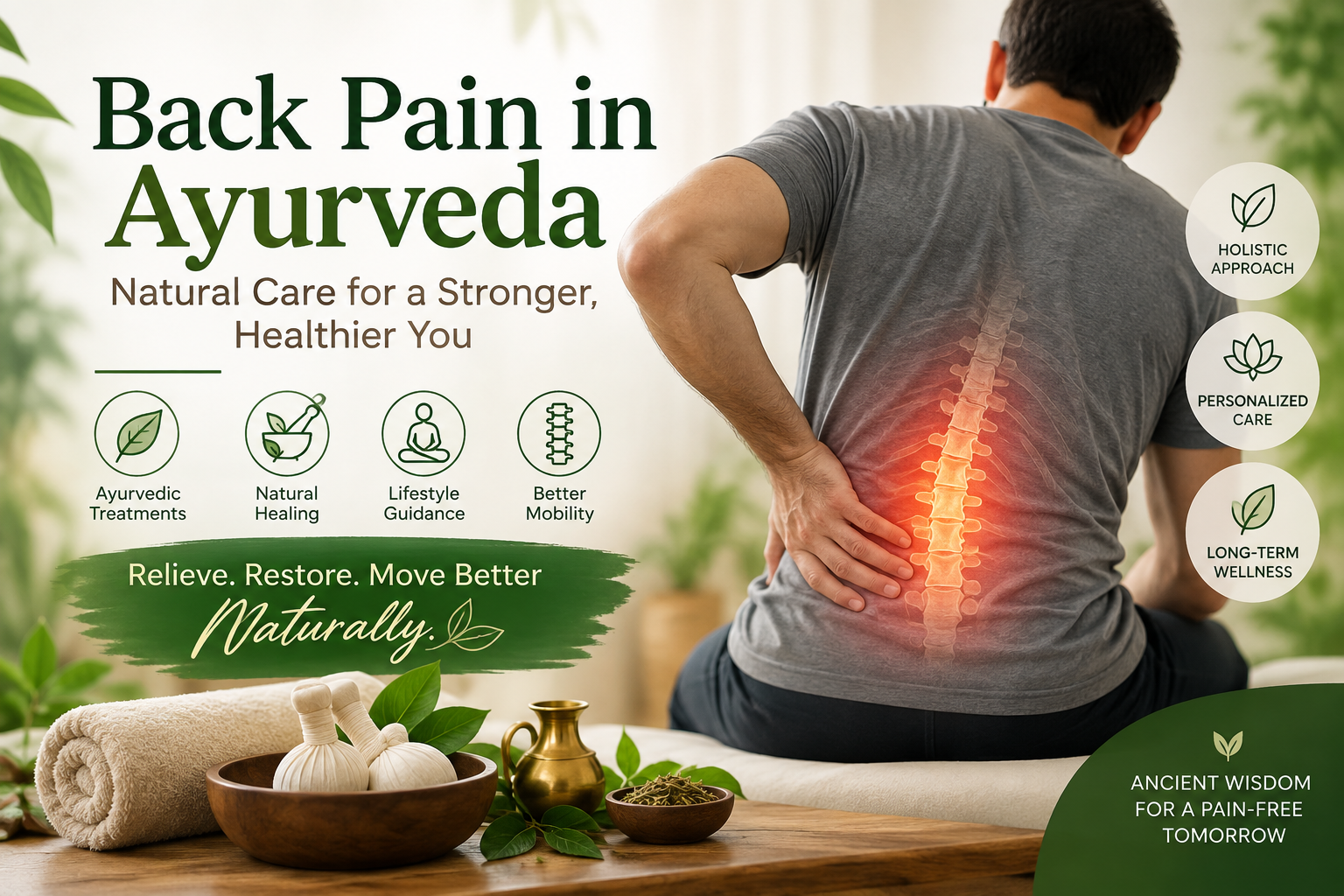
Back pain is one of the most common physical complaints, affecting people across different age groups and lifestyles. Long hours at a desk, poor posture, prolonged sitting, physical strain, lack of movement, and everyday stress can all contribute to discomfort in the back. While painkillers may provide temporary relief, many people are also exploring traditional approaches that focus on supporting the body naturally.
Ayurveda, the traditional Indian system of medicine, takes a holistic approach to back pain. Rather than looking at pain as an isolated symptom, Ayurvedic care considers factors such as lifestyle, digestion, activity levels, sleep, stress, body constitution, and the nature of the discomfort.
Ayurvedic therapies for back pain may include therapeutic oil massage, localized oil treatments, herbal preparations, heat therapies, gentle exercises, dietary guidance, and other personalized approaches. The objective is to support relaxation, flexibility, circulation, and overall musculoskeletal wellbeing.
For people searching for Ayurvedic clinic in Abu Dhabi, it is important to choose professional care where the treatment approach is assessed according to the individual’s condition rather than following a one-size-fits-all routine.
What Is Back Pain?
Back pain refers to discomfort anywhere along the back, from the upper and middle back to the lower back. Lower back pain is particularly common because the lumbar region carries much of the body’s weight and is involved in many everyday movements.
Back pain can feel different from person to person. It may be experienced as:
- A dull or aching sensation
- Tightness or stiffness
- Muscle soreness
- A sharp or shooting sensation
- Discomfort after sitting for long periods
- Pain during bending or movement
- Morning stiffness
- Reduced flexibility
- Tiredness or heaviness in the back
The duration can also vary. Some people experience occasional discomfort after physical activity, while others have recurring or persistent back problems.
The right approach depends on the underlying cause, severity, duration, and individual health needs.
Common Causes of Back Pain
Back pain can develop from several everyday factors. Understanding possible contributing factors can help you make better decisions about prevention and care.
Poor Posture
Sitting with rounded shoulders, bending the neck forward, or maintaining an awkward position for several hours can place additional stress on the muscles and structures supporting the spine.
This is particularly relevant for people who work at computers or spend significant time using mobile devices.
Prolonged Sitting
Modern work routines often involve sitting for extended periods. Remaining in one position for too long may contribute to muscle tightness and reduced mobility.
Regular movement breaks and appropriate ergonomic support can help reduce unnecessary strain.
Physical Overexertion
Lifting heavy objects incorrectly, sudden movements, repetitive activities, or intense physical work may contribute to back discomfort.
Using proper lifting techniques and gradually increasing physical activity can help reduce the risk of strain.
Lack of Physical Activity
When the body does not receive enough regular movement, muscles may become less conditioned and flexibility may decrease. A sedentary lifestyle can therefore contribute to recurring discomfort.
Stress and Tension
Emotional stress can influence muscle tension and body posture. Some people unconsciously tighten their shoulders and back when they are under pressure.
Ayurveda considers the relationship between physical comfort, daily routine, rest, and mental wellbeing when developing a holistic care plan.
Age-Related Changes
Back discomfort may become more common with age due to changes in muscles, joints, discs, flexibility, and overall physical activity.
Persistent or severe pain should always be professionally evaluated to identify the appropriate treatment approach.
How Ayurveda Understands Back Pain
Ayurveda views health through the balance of the three doshas: Vata, Pitta, and Kapha.
Back pain is commonly associated with an imbalance of Vata, particularly when symptoms involve dryness, stiffness, discomfort, restricted movement, or sensitivity to cold.
However, Ayurvedic assessment does not rely on symptoms alone. Practitioners may consider an individual’s constitution, lifestyle, digestion, sleep, physical activity, age, stress levels, and other factors before recommending a treatment plan.
This personalized perspective is one of the important features of Ayurvedic care.
Instead of simply focusing on where the pain occurs, Ayurveda aims to understand factors that may be contributing to discomfort and reduced mobility.
Ayurvedic Treatment for Back Pain
Ayurvedic treatment for back pain can involve a combination of external therapies, internal support, lifestyle recommendations, and therapeutic exercises.
The treatment is generally personalized according to the individual’s condition.
Abhyanga – Ayurvedic Oil Massage
Abhyanga is a traditional Ayurvedic oil massage using warm herbal or medicated oils selected according to individual needs.
During a back-pain-focused session, gentle massage techniques may be applied to the back and surrounding areas.
The treatment is traditionally used to support:
- Relaxation of tense muscles
- Comfortable movement
- Flexibility
- Circulation
- Nourishment of the tissues
- General relaxation
The type of oil, technique, duration, and frequency can vary depending on the person’s condition.
Kati Vasti
Kati Vasti is a traditional localized Ayurvedic therapy commonly used for lower-back care.
During the therapy, a small dough ring is placed around the lower back. Warm medicated oil is then retained within the ring for a specific period under professional supervision.
This localized approach allows warm oil to remain in contact with the affected area.
Kati Vasti is traditionally used as part of Ayurvedic care for concerns involving:
- Lower-back discomfort
- Stiffness
- Muscle tension
- Reduced flexibility
- General lumbar-region discomfort
The suitability of the therapy should be determined by a qualified practitioner after assessment.
Pizhichil
Pizhichil is a traditional Ayurvedic therapy in which warm medicated oil is gently poured over the body or selected areas while therapeutic massage techniques are used.
It is traditionally associated with relaxation and supporting comfort in the muscles and joints.
Depending on the individual’s condition, Pizhichil may be incorporated into a broader Ayurvedic wellness plan.
Herbal Steam Therapy
Ayurvedic practitioners may use herbal steam therapies following or alongside oil treatments.
The gentle warmth can help promote relaxation and may be particularly comforting for people experiencing stiffness.
The exact herbs and method can vary according to the individual’s Ayurvedic assessment.
Ayurvedic Herbal Support
Ayurveda traditionally uses herbs and herbal formulations as part of personalized care.
However, herbal products should not be selected solely based on online recommendations. The appropriate formulation, dosage, duration, and suitability can vary from person to person.
Professional Ayurvedic guidance is especially important for individuals who take medications or have existing health conditions.
Benefits of Ayurvedic Care for Back Pain
Ayurvedic therapies are generally focused on supporting the body’s natural ability to relax, move comfortably, and maintain balance.
Depending on the individual’s condition and treatment plan, Ayurvedic care may help support:
Relaxation:
Warm oil therapies and massage can provide a calming experience for tense muscles and the body.
Mobility:
Appropriate therapies combined with movement and stretching may support flexibility and comfortable movement.
Muscle Comfort:
Localized treatments such as Kati Vasti may be used traditionally to support comfort in the lower-back region.
Daily Wellbeing:
Ayurveda considers sleep, diet, activity, stress management, and daily routines as part of overall wellbeing.
Preventive Wellness:
Developing healthier movement habits and maintaining an active lifestyle can help support long-term musculoskeletal health.
Results can vary between individuals, and Ayurvedic treatment should be personalized rather than presented as a guaranteed cure.
Ayurveda and Lifestyle for a Healthy Back
Treatment is only one part of maintaining back health. Everyday habits can have a significant impact.
Maintain Good Posture
When working at a desk, keep your screen at a comfortable height and support your lower back. Avoid remaining in one position for long periods.
Try to change positions regularly throughout the day.
Take Movement Breaks
If your work requires prolonged sitting, stand up and move around periodically.
Short movement breaks can be easier to maintain than waiting until the end of the workday to exercise.
Practice Gentle Stretching
Gentle stretching can help maintain mobility. Movements should be comfortable and should not force the body into painful positions.
Yoga-inspired movements may be incorporated into a wellness routine when appropriate and taught by a qualified professional.
Strengthen the Supporting Muscles
A healthy back benefits from strong supporting muscles around the abdomen, hips, and back.
Strength training should be introduced gradually and performed with proper technique.
Pay Attention to Sleep
Sleep quality and sleeping position can influence how the body feels in the morning.
A comfortable mattress and pillow arrangement that supports your preferred sleeping position may help promote restful sleep.
Manage Daily Stress
Relaxation practices such as breathing exercises, meditation, gentle yoga, and adequate rest can support overall wellbeing.
Since stress may contribute to muscle tension, creating time for relaxation can be an important part of a holistic routine.
Ayurvedic Diet and Back Wellness
Ayurveda places importance on digestion and balanced nutrition.
A wholesome diet can support general health and provide nutrients needed for normal body function.
Depending on individual Ayurvedic assessment, dietary recommendations may include:
- Freshly prepared meals
- Adequate hydration
- Seasonal foods
- Balanced sources of protein
- Fruits and vegetables
- Whole grains and other nourishing foods
- Appropriate healthy fats
- Regular meal timings
Rather than following a restrictive diet without guidance, Ayurveda generally emphasizes food choices according to individual needs and digestive capacity.
Back Pain: When Should You Seek Professional Help?
Not every episode of back pain requires intensive treatment. However, certain symptoms should not be ignored.
Seek prompt medical attention if back pain is accompanied by symptoms such as:
- Severe or rapidly worsening pain
- Significant weakness
- Loss of bladder or bowel control
- Numbness around the groin or inner thighs
- Major injury or trauma
- Fever or unexplained illness
- Unexplained weight loss
- Severe pain that does not improve
These symptoms may indicate a condition requiring medical evaluation rather than relying solely on traditional therapies.
For persistent or recurring back pain, professional assessment can help determine the safest and most appropriate approach.
Why Personalized Ayurvedic Care Matters
Back pain does not have one single cause, so one treatment cannot be expected to work identically for everyone.
An Ayurvedic practitioner may assess factors such as:
- Nature and location of discomfort
- Duration of symptoms
- Lifestyle and daily routine
- Physical activity
- Sleep patterns
- Digestion
- Body constitution
- Previous health concerns
- Work-related habits
Based on the assessment, the practitioner may recommend a combination of therapies and lifestyle modifications.
This personalized approach can make Ayurvedic care more meaningful and practical for long-term wellness.
Supporting Long-Term Back Health
Managing back pain is not only about addressing discomfort when it appears. Building healthier daily habits can also help support long-term spinal and muscular wellbeing.
A practical routine can include regular physical activity, appropriate stretching, adequate rest, good posture, nutritious food, stress management, and professional care when necessary.
Ayurvedic therapies can be incorporated into this broader approach as part of a personalized wellness plan.
Consistency is important. Small daily changes—such as taking movement breaks, improving sitting posture, walking regularly, and maintaining a healthy sleep routine—can make a meaningful difference over time.
Conclusion
Back pain can affect work, movement, sleep, exercise, and everyday quality of life. Ayurveda approaches back care from a holistic perspective by considering the individual rather than focusing only on the painful area.
Traditional therapies such as Abhyanga, Kati Vasti, Pizhichil, herbal steam therapy, and personalized herbal support may be used depending on the individual’s needs. These treatments can be combined with appropriate movement, posture awareness, nutrition, rest, and stress management.
If you are experiencing recurring back discomfort, consult a qualified healthcare or Ayurvedic professional for an appropriate assessment. Personalized care can help determine which therapies and lifestyle practices may be suitable for your situation.
Take care of your back today—move gently, rest well, maintain healthy daily habits, and choose professional guidance when you need it.