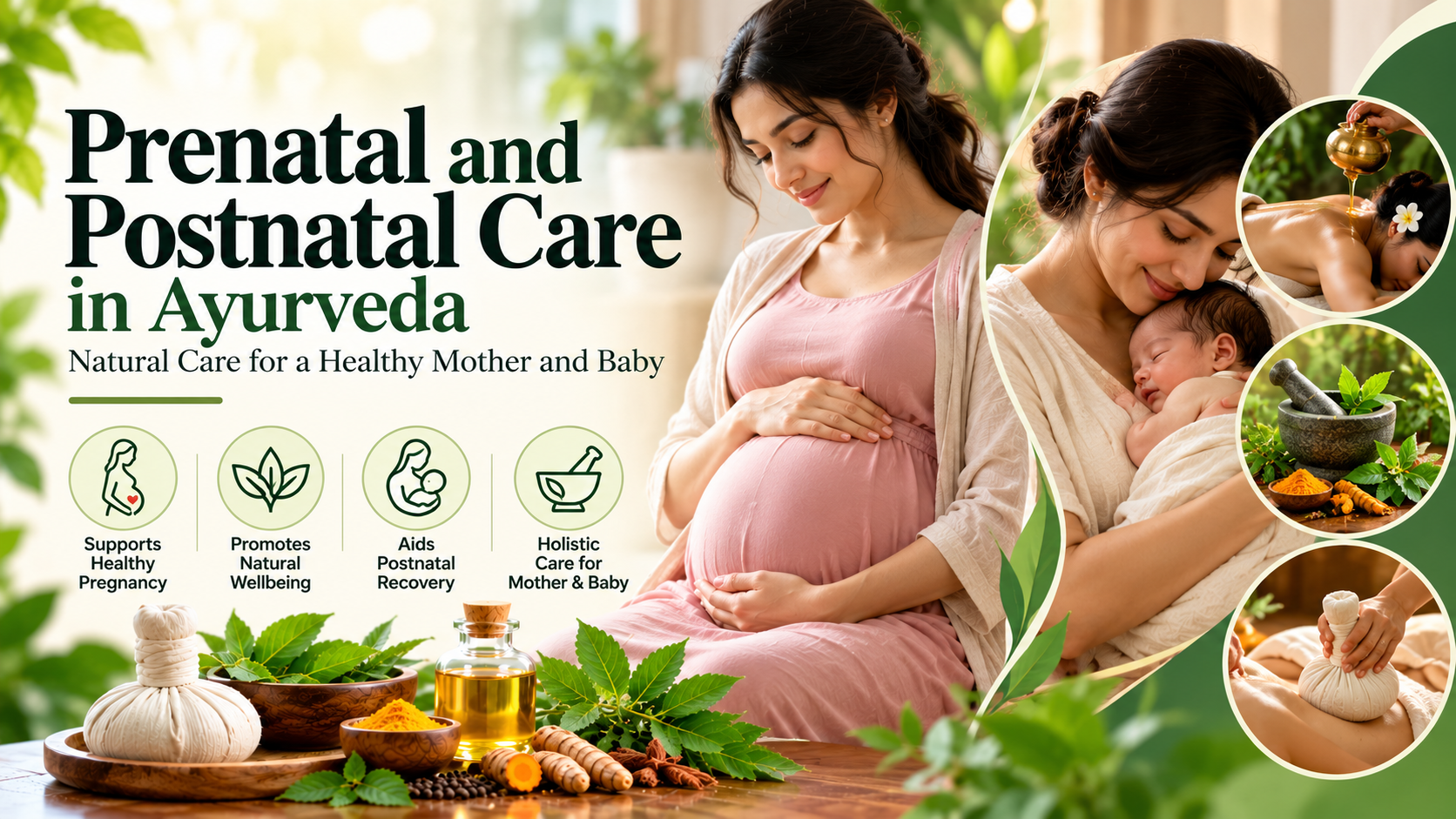
Pregnancy and childbirth are important stages in a woman’s life. From the first trimester to the months after delivery, a mother experiences physical, emotional and lifestyle changes that require appropriate care, nutrition and support. Prenatal care helps monitor the health of both mother and baby during pregnancy, while postnatal care supports recovery after childbirth.
Ayurveda, India’s traditional system of health and wellness, places importance on balanced routines, nourishing food, rest and individualised care. Certain traditional practices may be considered as complementary wellness options, but they should be selected carefully, especially during pregnancy and breastfeeding.
At Theja Ayurvedic Medical Center, learning about prenatal and postnatal wellness can help families make informed decisions about traditional care alongside appropriate maternity services. This guide explains the role of Ayurveda, common wellness practices, nutrition, recovery and important safety considerations for mothers.
What Is Prenatal Care in Ayurveda?
Prenatal care refers to the care a woman receives throughout pregnancy. In Ayurveda, pregnancy-related wellbeing is traditionally discussed under Garbhini Paricharya, a concept that emphasises appropriate food, daily routines, rest and care according to the stage of pregnancy.
The traditional approach recognises that a pregnant woman’s needs may change as her pregnancy progresses. However, Ayurvedic concepts should complement—not replace—modern antenatal care, medical investigations or advice from an obstetrician.
A well-planned prenatal wellness routine may focus on:
- Eating balanced, nutritious meals.
- Maintaining appropriate hydration.
- Getting enough sleep and rest.
- Managing everyday stress with safe relaxation practices.
- Staying physically active when approved by the maternity care team.
- Attending scheduled antenatal appointments.
- Avoiding unprescribed medicines, herbal preparations and treatments that may be unsafe during pregnancy.
Every pregnancy is different. A routine that is suitable for one woman may not be appropriate for another, particularly when there are complications or existing medical conditions.
Benefits of Appropriate Prenatal Care
Consistent prenatal care helps identify potential concerns and supports informed decisions throughout pregnancy. Traditional wellness practices may form one part of a broader care plan when considered safe by qualified healthcare professionals.
1. Supporting Maternal Nutrition
A balanced diet provides nutrients needed for maternal health and the developing baby. Meals can include vegetables, fruits, whole grains, protein-rich foods, dairy or suitable alternatives, and healthy fats according to individual dietary needs.
Ayurveda traditionally places importance on freshly prepared and nourishing meals. These principles can be incorporated into everyday eating when they align with current nutritional guidance.
Pregnant women should follow their clinician’s advice on folic acid, iron, calcium, vitamin D and other supplements. Traditional dietary advice must not replace prescribed supplements or treatment for nutritional deficiencies.
2. Encouraging Rest and Healthy Routines
Pregnancy can bring tiredness, changes in sleep and physical discomfort. A regular sleep schedule, comfortable surroundings and appropriate rest breaks may help women manage everyday demands.
Gentle relaxation, breathing exercises and pregnancy-appropriate movement may also support general wellbeing. Activities should be adjusted to the woman’s health, trimester and medical advice.
3. Supporting Emotional Wellbeing
Pregnancy can bring excitement, uncertainty and stress. Support from family, open communication with healthcare professionals and time for relaxation can help women feel more prepared.
Meditation or gentle mindfulness may be helpful for some women. These practices should be presented as supportive wellness options rather than treatments for medical or mental health conditions.
4. Encouraging Individualised Care
Ayurveda traditionally considers a person’s overall condition and daily routine. If a woman is interested in Ayurvedic care, a qualified practitioner should review her pregnancy stage, symptoms, medical history and current medicines before recommending any practice.
Important: No traditional treatment can guarantee an uncomplicated pregnancy, prevent every pregnancy complication or replace antenatal examinations.
What Is Postnatal Care in Ayurveda?
Postnatal care begins after childbirth and focuses on the mother’s physical recovery, emotional wellbeing, nutrition and adjustment to caring for a newborn. In Ayurveda, traditional postnatal care is often associated with Sutika Paricharya, which includes rest, nourishment and supportive routines after delivery.
Recovery varies depending on several factors, including the type of delivery, blood loss, breastfeeding, sleep, existing health conditions and any complications. Some women recover gradually over several weeks, while others need a longer period of medical or practical support.
A safe postnatal care plan may include:
- Following the discharge instructions provided by the maternity team.
- Monitoring bleeding, pain, wound healing and other symptoms.
- Eating nutritious meals and drinking enough fluids.
- Getting practical help with household tasks and newborn care.
- Receiving breastfeeding support when needed.
- Attending postnatal medical appointments.
- Seeking support for persistent sadness, anxiety or overwhelming feelings.
Traditional practices may be considered only when appropriate for the mother’s recovery and approved by her healthcare professional.
Benefits of Postnatal Care for New Mothers
1. Supporting Recovery After Delivery
After childbirth, the body needs time to recover. Women may experience soreness, tiredness, changes in bowel habits and discomfort around a vaginal birth or caesarean incision.
Rest, adequate nutrition, hydration and gradual return to daily activities can support recovery. Any massage, heat-based therapy or other traditional treatment must be evaluated according to delivery type, wound healing, bleeding and the mother’s medical condition.
Postnatal treatment should never involve pressure on an unhealed incision or painful area.
2. Promoting Nourishment and Hydration
New mothers need sufficient energy and nutrients for recovery and, when breastfeeding, milk production. A varied diet with protein, vegetables, fruits, whole grains and suitable sources of iron and calcium can help meet nutritional needs.
Traditional foods may be included if they are nutritious, hygienically prepared and suitable for the mother’s health. Special diets, herbal drinks and supplements should be discussed with a healthcare professional if the mother has diabetes, high blood pressure, allergies, thyroid conditions or other medical concerns.
3. Supporting Rest and Daily Comfort
Caring for a newborn can interrupt sleep and leave mothers feeling physically exhausted. Sharing responsibilities, accepting family support and resting whenever practical can help reduce the burden.
Gentle movement may be introduced gradually as advised by the maternity team. Women recovering from caesarean delivery, significant tearing or other complications may require specific restrictions and rehabilitation guidance.
4. Encouraging Emotional Support
The period after childbirth can involve hormonal changes, adjustment to parenthood and changes in family routines. Emotional support and regular communication with trusted people are important.
Short periods of relaxation, gentle breathing and appropriate traditional wellness practices may help some mothers feel more comfortable. However, persistent sadness, severe anxiety, inability to cope or distress that interferes with daily life deserves professional assessment.
Ayurvedic Treatments and Wellness Practices: What Should Mothers Know?
Ayurveda includes several traditional approaches to massage, herbal preparations and other therapies. Their suitability varies considerably, and evidence for their effectiveness and safety in pregnancy and the postnatal period is limited for many interventions.
1. Abhyanga or Traditional Oil Massage
Abhyanga is a traditional oil massage used in Ayurvedic wellness practices. After delivery, some women may be interested in gentle massage for relaxation and everyday comfort.
Massage should only be considered after reviewing the mother’s delivery type, wound healing, pain, bleeding and overall medical condition. It should not be performed over a caesarean incision or other unhealed wound.
During pregnancy, massage techniques and positioning require extra caution. A woman should consult her obstetrician before arranging treatment, particularly if she has a high-risk pregnancy, pain, bleeding or other complications.
2. Gentle Relaxation Practices
Breathing exercises, meditation and gentle relaxation may help some mothers manage everyday stress. Pregnancy-appropriate movement may also be beneficial when approved by the maternity care team.
Avoid strenuous activity, uncomfortable positions, overheating and practices that cause pain, dizziness or breathlessness. A practitioner should not encourage a pregnant woman to continue an activity that her clinician has advised against.
3. Traditional Herbal Preparations
Some Ayurvedic preparations contain multiple herbs or other ingredients. Natural origin does not automatically mean a product is safe during pregnancy or breastfeeding. Ingredients may interact with prescribed medicines, and product quality or contamination can be a concern.
Do not start herbal medicines, medicinal oils intended for ingestion, concentrated extracts or supplements without approval from the relevant healthcare professional. Never stop prescribed maternity medication in favour of a traditional product.
4. Heat-Based Treatments
Certain traditional therapies use heated oils, compresses or other sources of warmth. Heat exposure and pressure need particular care during pregnancy and while recovering from childbirth.
Avoid treatments that may cause overheating, burns, pain or pressure on a healing wound. Suitability should be assessed individually rather than assumed from the name of a therapy.
Prenatal Care Month by Month: General Considerations
Pregnancy care changes as the baby develops. The following is a general overview, not a substitute for an individual antenatal schedule.
First trimester: Prioritise early antenatal assessment, recommended supplements, hydration and advice about medicines and foods. Discuss nausea, vomiting or difficulty eating with a clinician.
Second trimester: Continue scheduled examinations and follow advice about appropriate physical activity, nutrition and sleep. Any traditional treatment should be reviewed for safety before use.
Third trimester: Follow your maternity team’s guidance on monitoring, movement, birth planning and warning signs. Avoid unapproved herbal products, forceful massage and treatments that cause overheating.
Throughout pregnancy, attend recommended scans and appointments. Do not delay medical care while trying home remedies or traditional therapies.
Postnatal Recovery After Vaginal Birth and Caesarean Delivery
Recovery is not the same for every mother.
After a vaginal birth, a woman may need support with perineal soreness, bleeding, bowel movements and gradual return to activity. A clinician can advise on wound care and when to resume exercise or other treatments.
After a caesarean delivery, the abdominal incision needs time to heal. Follow instructions on keeping the wound clean, lifting restrictions, movement and signs of infection. Avoid abdominal massage or pressure near the incision until the healthcare team confirms it is appropriate.
For all mothers, follow-up care should address physical recovery, feeding concerns, sleep, mood and contraception where relevant. A postnatal wellness plan should adapt to the mother’s progress instead of following a rigid timetable.
Choosing Ayurvedic Prenatal and Postnatal Care in Abu Dhabi
If you are considering traditional wellness support during pregnancy or after childbirth, choose a provider who asks about your medical history, explains the proposed treatment, checks for contraindications and respects advice from your maternity team.
For those researching ayurvedic treatment in abu dhabi, Theja Ayurvedic Medical Center can be contacted to enquire about available services and whether any particular wellness consultation is appropriate for your situation.
Before booking, ask:
- Is the practitioner appropriately qualified and licensed for the services offered?
- Is the treatment suitable for my pregnancy stage or post-delivery recovery?
- Will the practitioner coordinate with my obstetrician or other healthcare professional if needed?
- What oils, herbs, products or techniques will be used?
- Are there reasons I should postpone or avoid the treatment?
- What should I do if symptoms worsen?
The answers should be clear and specific to your circumstances. No provider should promise guaranteed pregnancy outcomes, rapid recovery or a cure through traditional treatment.
When Should a Mother Seek Medical Attention?
Traditional wellness care must never delay urgent medical assessment.
During pregnancy, contact your maternity care team promptly for vaginal bleeding, fluid leakage, severe or persistent abdominal pain, severe headache, vision changes, fever, difficulty breathing or reduced fetal movement when movement monitoring is applicable.
After childbirth, seek urgent medical care for heavy bleeding, chest pain, difficulty breathing, seizures, severe headache with vision changes, one-sided leg swelling or pain, or severe abdominal pain. Fever, worsening wound redness, pus or other signs of infection also need prompt assessment.
Severe confusion, hallucinations, thoughts of self-harm or thoughts of harming the baby require emergency mental health support. Ask a trusted person to stay with the mother while emergency help is arranged.
These symptoms should not be managed with massage, herbal preparations or home remedies.
Frequently Asked Questions
1. What is prenatal care in Ayurveda?
Prenatal Ayurvedic care traditionally emphasises nutrition, rest and daily routines during pregnancy. Any treatment must be assessed for safety and used alongside—not instead of—standard antenatal care.
2. What is postnatal care in Ayurveda?
Traditional postnatal care focuses on nourishment, rest and supportive routines after childbirth. Individual care should take account of delivery type, wound healing, breastfeeding and medical needs.
3. Is Ayurvedic massage safe during pregnancy?
Not every massage technique is suitable during pregnancy. Speak to your obstetrician before booking a massage, and ensure the practitioner understands pregnancy-specific precautions.
4. Can I take Ayurvedic medicines while breastfeeding?
Do not assume an herbal or Ayurvedic medicine is safe while breastfeeding. Check every ingredient with a qualified healthcare professional before using it.
5. When can I start postnatal massage?
There is no single timeline suitable for everyone. The right time depends on the delivery, healing, bleeding, pain and medical history. Obtain clinical advice before starting, especially after a caesarean delivery.
6. Does Ayurvedic care replace regular maternity check-ups?
No. Antenatal and postnatal medical appointments remain essential. Traditional wellness practices should only be complementary and appropriate to the mother’s circumstances.
7. How can I choose a prenatal or postnatal wellness provider?
Check qualifications, licensing, treatment ingredients, hygiene standards and experience with maternal care. Choose a provider who recognises medical warning signs and refers mothers for medical assessment when necessary.
Conclusion
Prenatal and postnatal care are important parts of maternal wellbeing. Good nutrition, adequate rest, emotional support, appropriate movement and regular medical follow-up help mothers navigate pregnancy and recovery after childbirth.
Ayurveda offers traditional perspectives on nourishment and daily routines, but not every therapy or herbal preparation is safe during pregnancy or breastfeeding. A responsible approach combines individualised wellness support with evidence-based maternity care, qualified clinical advice and prompt attention to warning signs.
Theja Ayurvedic Medical Center encourages mothers and families to make informed decisions, ask questions about treatment safety and prioritise the health of both mother and baby.
Medical disclaimer: This article is for general educational purposes only and is not a substitute for individual medical advice, diagnosis or treatment. Consult your obstetrician or qualified healthcare professional before starting Ayurvedic treatments, herbal products, supplements or massage during pregnancy or breastfeeding.