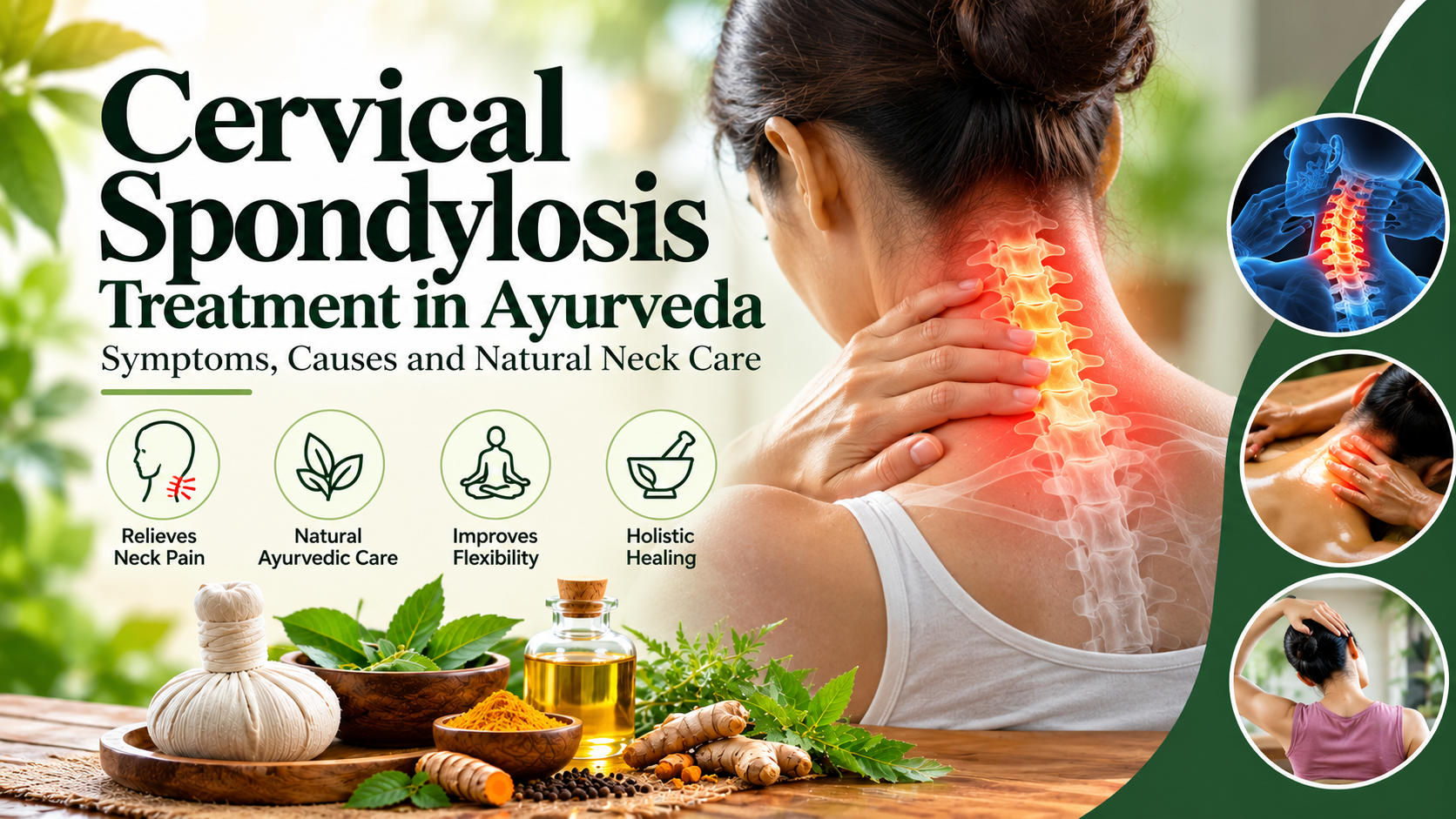
Cervical spondylosis is a common condition affecting the bones, discs and joints of the neck. It develops as structural changes occur in the cervical spine over time and may cause neck pain, stiffness, headaches and, in some cases, pain or tingling that travels into the shoulders, arms or hands.
Modern lifestyles can also contribute to neck discomfort. Spending long hours working at a computer, frequently looking down at a mobile phone and maintaining the same posture for extended periods may aggravate existing symptoms.
Many people explore traditional healthcare approaches alongside conventional treatment to manage neck discomfort and improve daily mobility. Ayurvedic treatment for cervical spondylosis may involve an individual assessment, selected traditional therapies and lifestyle guidance, depending on the person’s health and symptoms.
At Theja Ayurvedic Medical Center, people interested in traditional approaches to musculoskeletal wellness can enquire about consultation options and available services. Understanding cervical spondylosis, its warning signs and the role of different care options is an important step towards making informed decisions about neck health.
What Is Cervical Spondylosis?
Cervical spondylosis refers to age-related changes in the cervical spine, which consists of seven vertebrae in the neck. Between these bones are intervertebral discs that help absorb forces and allow the neck to move.
Over time, discs may lose some of their water content and become thinner. The joints and surrounding structures can also change, and small bony growths called bone spurs may develop.
These changes are common with ageing and do not always cause pain. Some people have visible changes on an X-ray or MRI without experiencing significant symptoms.
However, when the surrounding structures irritate or compress nearby nerves or the spinal cord, symptoms may become more serious. Treatment therefore depends on the person’s symptoms, examination findings and overall health rather than scan results alone.
Common Symptoms of Cervical Spondylosis
The symptoms of cervical spondylosis vary from person to person. Some people experience occasional stiffness, while others have persistent discomfort that affects work, sleep and everyday activities.
1. Neck Pain and Stiffness
Neck pain is one of the most frequently reported symptoms. The discomfort may worsen after prolonged sitting, repetitive movements or maintaining the same head position for a long time.
Stiffness can make it difficult to turn the head comfortably while driving, working or performing daily tasks.
2. Shoulder and Upper Back Discomfort
Pain may extend from the neck into the shoulders or upper back. Muscle tension around these areas can develop when a person changes their posture to avoid discomfort.
Persistent shoulder pain should be assessed to determine whether it originates from the neck, shoulder joint or another condition.
3. Headaches
Some people experience headaches associated with neck discomfort, particularly around the back of the head. However, headaches have many possible causes and should not automatically be attributed to cervical spondylosis.
Sudden, severe or unusual headaches require appropriate medical assessment.
4. Tingling or Numbness in the Arms
When a nerve root in the cervical spine becomes irritated or compressed, symptoms may travel into the shoulder, arm or hand. These can include tingling, numbness, burning sensations or weakness.
New or worsening neurological symptoms should be assessed promptly.
5. Reduced Neck Movement
Some people find it difficult to rotate, bend or extend the neck fully. Reduced movement may affect daily activities and make prolonged computer work uncomfortable.
6. Weakness or Balance Problems
Spinal cord compression can cause more serious symptoms, including hand clumsiness, weakness in the arms or legs, difficulty walking and problems with balance.
These symptoms should never be managed solely with home remedies or massage. They require urgent medical evaluation.
What Causes Cervical Spondylosis?
Cervical spondylosis usually develops through a combination of age-related changes and other contributing factors.
Ageing: Changes in the spinal discs, joints and bones become more common with age.
Previous neck injuries: Trauma or earlier injuries may contribute to structural changes in the cervical spine.
Prolonged static posture: Remaining in one position for long periods can aggravate neck discomfort, especially when workstation arrangements are unsuitable.
Repetitive movements: Repeated neck movements or sustained positions may increase discomfort in some people.
Genetic factors: Family history may influence susceptibility to spinal degeneration.
Muscle weakness: Reduced strength or endurance in the neck and upper back muscles may affect posture and tolerance for daily activities.
Although posture and work habits can influence symptoms, cervical spondylosis is not caused by poor posture alone. Age-related changes can occur even in people who maintain good posture and exercise regularly.
Understanding Cervical Spondylosis Through Ayurveda
Ayurveda is a traditional Indian system of healthcare that considers an individual’s symptoms, daily routine, diet and overall health when planning care.
In traditional Ayurvedic practice, neck stiffness and musculoskeletal discomfort may be interpreted through concepts such as Vata imbalance. A practitioner may use these concepts to guide an individual assessment and select traditional supportive therapies.
These traditional explanations belong to the Ayurvedic framework and are not equivalent to the biomedical explanation of cervical disc degeneration, bone spurs or nerve compression.
There is limited high-quality evidence that Ayurvedic therapies reverse the structural changes associated with cervical spondylosis. Traditional treatments should therefore be considered cautiously and should not replace medical evaluation, physiotherapy or other indicated treatment.
A responsible approach focuses on realistic goals, such as supporting comfort and daily function, while recognising the limits of available evidence.
Ayurvedic Treatment for Cervical Spondylosis: What May Be Considered?
An Ayurvedic practitioner may discuss traditional therapies depending on the individual’s symptoms, medical history and physical condition. Not every treatment is suitable for every person, particularly when nerve compression or spinal cord involvement is suspected.
1. Abhyanga: Traditional Oil Massage
Abhyanga is a traditional Ayurvedic massage that uses oil and specific massage techniques.
Some people explore gentle massage for relaxation and temporary relief of muscular tension around the neck and shoulders. However, evidence that Abhyanga specifically treats cervical spondylosis or reverses spinal degeneration is limited.
Massage should be adapted to the person’s comfort and medical condition. Forceful pressure, aggressive neck manipulation and sudden twisting should be avoided, particularly when symptoms include radiating pain, numbness or weakness.
2. Gentle Heat-Based Therapies
Some traditional Ayurvedic practices use controlled warmth or steam as part of a broader wellness approach.
Gentle warmth may feel soothing for certain types of muscle stiffness, but it does not repair damaged discs or remove bone spurs. Excessive heat may also cause burns, particularly in people with reduced sensation.
The suitability of any heat-based procedure should be assessed individually.
3. Kizhi and Other Traditional Therapies
Kizhi is an Ayurvedic procedure involving therapeutic boluses that may contain heated materials or herbs, depending on the technique.
Some traditional practitioners use such therapies for musculoskeletal discomfort. However, strong evidence establishing their effectiveness for cervical spondylosis is lacking.
Because the neck contains sensitive nerves, blood vessels and other important structures, treatments involving heat, pressure or manipulation should be approached carefully. Ask the practitioner about the technique, precautions and expected outcomes before proceeding.
4. Individualised Ayurvedic Medicines
Traditional Ayurvedic preparations may be discussed during a consultation. However, herbal products are not automatically safe because they are natural.
Some preparations may interact with prescription medicines, affect the liver or kidneys, or contain contaminants, including heavy metals. Safety and product quality can vary.
Always disclose your current medicines and health conditions before starting a herbal preparation. Do not stop prescribed medication or replace a recommended treatment plan without discussing it with your healthcare professional.
5. Lifestyle and Daily Routine Guidance
Traditional wellness consultations may also include guidance on daily habits, rest, activity and diet.
A balanced routine can support general health, but no specific Ayurvedic lifestyle programme has been conclusively shown to reverse cervical spondylosis.
Lifestyle guidance is best used alongside appropriate medical assessment and a suitable exercise programme.
Evidence-Based Ways to Manage Cervical Spondylosis
The most appropriate treatment depends on symptom severity and whether nerves or the spinal cord are affected. Many people without serious neurological complications can be managed without surgery.
1. Physiotherapy and Strengthening Exercises
Physiotherapy is commonly recommended to help manage neck symptoms and improve function. A physiotherapist may prescribe exercises that strengthen the neck and upper back muscles, improve mobility and support comfortable movement.
The exercise programme should be adapted to the person’s symptoms and physical assessment.
Avoid forceful stretching or exercises that worsen pain, cause dizziness or produce tingling, numbness or weakness in the arms or legs.
2. Improve Workstation Ergonomics
Adjusting your work environment may help reduce unnecessary neck strain.
- Position the computer screen near eye level.
- Keep the shoulders relaxed while working.
- Use a chair that supports a comfortable upright position.
- Keep frequently used items within easy reach.
- Take regular movement breaks during prolonged sitting.
There is no single perfect posture for everyone. Changing positions regularly and maintaining a comfortable working arrangement are generally more useful than trying to hold a rigid posture all day.
3. Use Suitable Pillows and Sleeping Positions
Choose a pillow that keeps your neck in a comfortable, neutral position while sleeping. Pillow height and firmness depend on your preferred sleeping position and individual needs.
Avoid forcing the neck into an extreme angle or using equipment that causes additional discomfort.
4. Stay Physically Active
Regular physical activity supports overall health and can help people maintain their ability to perform daily activities.
Walking and other comfortable activities may be appropriate for many people. Those with significant neck pain, balance difficulties or neurological symptoms should obtain individual guidance before starting a new exercise routine.
5. Consider Medical Treatment When Needed
A healthcare professional may recommend suitable pain-relieving medication or other treatment according to the cause and severity of symptoms.
If a nerve is compressed or spinal cord involvement is suspected, further investigations or specialist assessment may be necessary. Surgery is considered in selected cases involving significant compression or neurological deterioration.
Complementary therapies should not delay essential medical treatment.
When Should You Seek Medical Attention?
Neck pain is common, but certain symptoms may indicate a serious problem.
Seek urgent medical assessment if you develop new or worsening arm or leg weakness, increasing numbness, difficulty walking, poor balance or unusual clumsiness in your hands.
New loss of bladder or bowel control, especially alongside neurological symptoms, requires emergency assessment.
You should also arrange a medical evaluation for persistent neck pain, pain that travels down an arm, symptoms following an injury or discomfort that does not improve with appropriate care.
If cervical spondylosis has been diagnosed, follow the recommendations of your treating clinician and seek reassessment if your symptoms change.
Choosing Ayurvedic Neck Care in Abu Dhabi
People considering traditional approaches to neck discomfort should select a qualified practitioner who understands the importance of medical assessment and recognises symptoms that require referral.
When considering Ayurvedic care, ask:
- What is the purpose of the proposed therapy?
- Is it appropriate for my symptoms and medical history?
- Could it aggravate a nerve or spinal condition?
- Are there any risks or interactions with my medicines?
- Should I continue physiotherapy or conventional treatment?
- How will progress and any adverse effects be monitored?
If you are looking for ayurvedic treatment in abu dhabi, contact Theja Ayurvedic Medical Center to enquire about consultation options and available services. The suitability of any treatment should be established individually, especially when symptoms involve the arms, hands or balance.
Frequently Asked Questions About Cervical Spondylosis
1. Can Ayurveda cure cervical spondylosis?
There is insufficient high-quality evidence that Ayurvedic therapies cure cervical spondylosis or reverse established spinal degeneration. Some people explore traditional approaches for supportive comfort, but treatment should be individualised and medically appropriate.
2. Which Ayurvedic treatment is best for cervical spondylosis?
There is no single Ayurvedic treatment proven to be best for this condition. Traditional massage or other supportive therapies may be discussed in selected cases, but suitability depends on the person’s symptoms and clinical assessment.
3. Can cervical spondylosis improve without surgery?
Yes. Many people manage symptoms with physiotherapy, appropriate exercises, activity adjustments and medical treatment when needed. Surgery may be considered when there is significant spinal cord or nerve compression or when symptoms require specialist intervention.
4. Which exercises are suitable for cervical spondylosis?
A physiotherapist can recommend suitable mobility and strengthening exercises based on your condition. Avoid aggressive neck manipulation or exercises that trigger radiating pain, numbness, weakness or dizziness.
5. Is massage safe for cervical spondylosis?
Gentle massage may help some people with muscular tension, but it does not reverse spinal degeneration. Forceful manipulation should be avoided, particularly when nerve compression or spinal cord involvement is suspected.
6. Can cervical spondylosis cause headaches and arm pain?
It can be associated with neck-related headaches and pain that travels into the shoulder or arm. However, these symptoms have other possible causes and should be assessed when persistent, severe or accompanied by neurological changes.
7. When should I consult a doctor?
Seek medical advice for persistent or worsening neck pain, radiating arm pain or numbness. New weakness, difficulty walking, balance problems or loss of bladder or bowel control require urgent assessment.
Conclusion: Taking a Responsible Approach to Neck Health
Cervical spondylosis can cause neck stiffness, pain and reduced mobility, but its effects vary considerably from person to person. Understanding the condition, maintaining comfortable movement, following an appropriate exercise programme and seeking timely medical advice can help support daily function.
Ayurvedic therapies may be explored as complementary wellness options when appropriate, but their benefits should not be overstated. They cannot be relied upon to reverse spinal degeneration or treat serious nerve compression.
If you are interested in traditional musculoskeletal care at Theja Ayurvedic Medical Center, enquire about a consultation to understand which available services may be appropriate for your needs.
Medical disclaimer: This article is for educational purposes only and does not replace professional medical advice, diagnosis or treatment. Consult a qualified healthcare professional for persistent neck pain or neurological symptoms.