
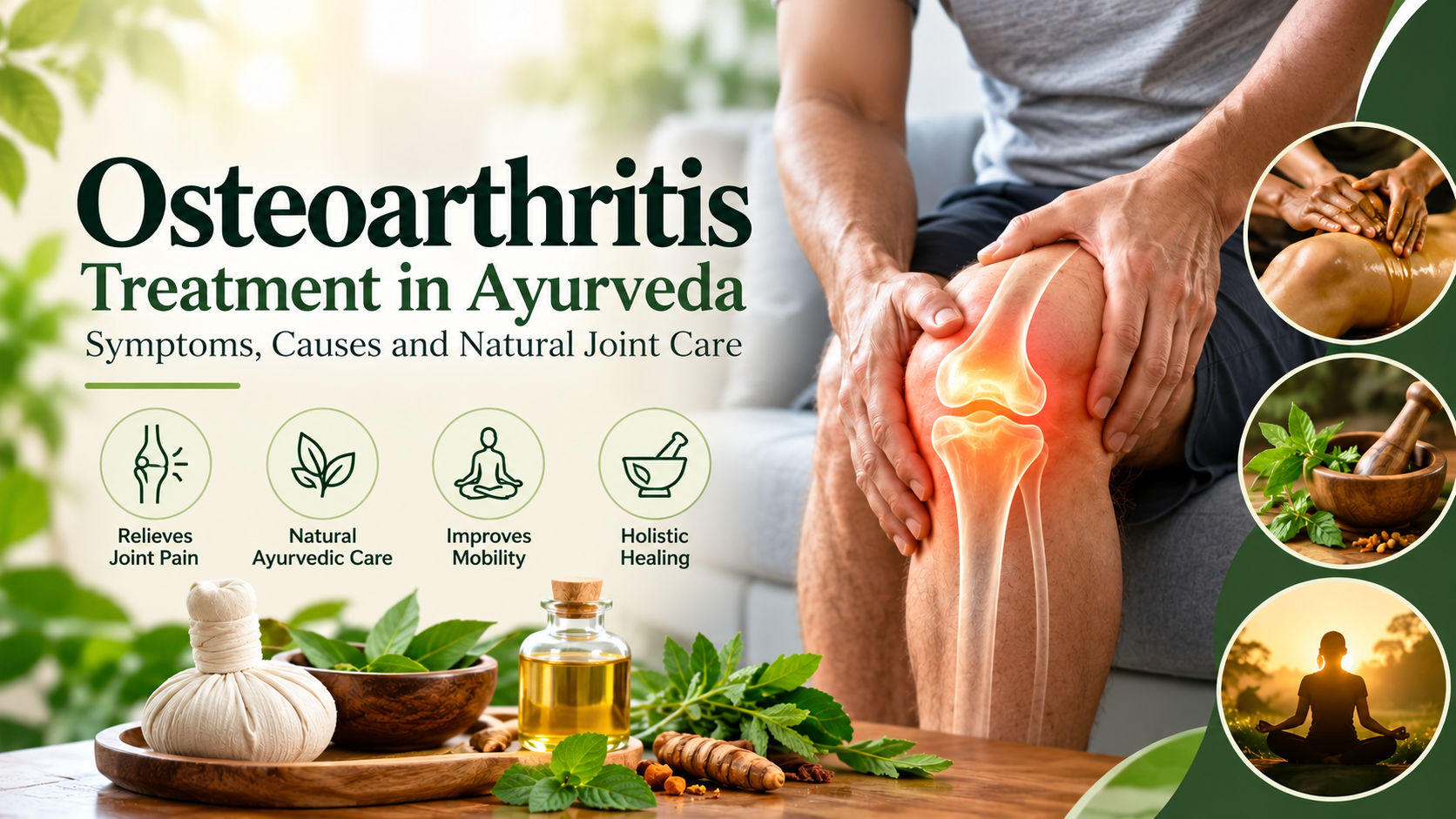
Osteoarthritis is one of the most common joint conditions affecting adults worldwide. It can cause persistent joint pain, stiffness, swelling and difficulty performing everyday activities such as walking, climbing stairs or getting up from a chair. Knee osteoarthritis is particularly challenging because the knees support much of the body’s weight during movement.
Many people explore traditional approaches alongside conventional medical care to manage their symptoms and maintain mobility. Osteoarthritis treatment in Ayurveda focuses on an individualised approach that may include traditional therapies, lifestyle adjustments, dietary guidance and supportive practices, depending on the person’s health and clinical assessment.
At Theja Ayurvedic Medical Center, people interested in Ayurvedic joint care can seek professional guidance about their symptoms and available care options. Understanding osteoarthritis, its causes and the role of different treatment approaches is an important first step towards making informed decisions about joint health.
What Is Osteoarthritis?
Osteoarthritis is a chronic joint condition in which the structures within a joint gradually change. It commonly affects the knees, hips, hands and spine. The cartilage that cushions the ends of bones can become damaged, while other joint tissues may also undergo changes.
These changes can contribute to pain, stiffness and reduced movement. However, osteoarthritis does not progress at the same rate in everyone. Some people experience mild symptoms for years, while others develop more significant mobility limitations.
Although osteoarthritis is sometimes described as simple wear and tear, the condition involves more than cartilage alone. Factors such as age, previous injuries, body weight, muscle strength and joint mechanics can influence its development.
There is currently no established cure that reverses all osteoarthritis-related structural changes. Nevertheless, appropriate management can help many people reduce symptoms, improve daily function and maintain an active lifestyle.
Common Symptoms of Osteoarthritis
Recognising the symptoms of osteoarthritis can help people seek appropriate medical advice before their daily activities become increasingly difficult.
1. Joint Pain
Joint pain is one of the most common symptoms. It may initially occur during activities such as walking, standing for long periods or climbing stairs. As the condition progresses, discomfort may also interfere with rest or sleep.
The location and intensity of pain can vary depending on the joint affected and the severity of the condition.
2. Stiffness After Rest
People with osteoarthritis may notice stiffness after waking up in the morning or sitting for an extended period. The stiffness often improves after gentle movement, although symptoms vary from person to person.
Persistent or unusually prolonged morning stiffness should be assessed because other joint conditions can produce similar symptoms.
3. Swelling and Tenderness
The affected joint may feel tender or appear swollen. Some people experience discomfort when pressure is applied around the joint.
A hot, red or rapidly swollen joint, particularly when accompanied by fever, requires prompt medical assessment because it may indicate a condition other than osteoarthritis.
4. Reduced Flexibility
Osteoarthritis can make it harder to bend, straighten or move an affected joint comfortably. For example, knee stiffness may make it difficult to sit on the floor, climb stairs or rise from a low chair.
5. Clicking or Grinding Sensations
Some people notice clicking, crackling or grinding sensations during joint movement. These sounds do not necessarily indicate severe joint damage, but they should be considered alongside pain, swelling and other symptoms.
What Causes Osteoarthritis?
Osteoarthritis usually develops through a combination of factors rather than a single cause.
Ageing: The likelihood of developing osteoarthritis increases with age as joint structures change over time.
Previous joint injuries: Sports injuries, fractures and damage to joint ligaments can increase the risk of developing osteoarthritis later.
Excess body weight: Additional weight can increase the mechanical load on weight-bearing joints, particularly the knees and hips.
Family history: Genetic factors may influence susceptibility to osteoarthritis.
Repetitive joint stress: Certain occupational activities and repeated joint loading may contribute to risk, particularly when combined with other factors.
Muscle weakness and joint mechanics: Reduced muscle strength, joint alignment and movement patterns can influence how forces are distributed across a joint.
Understanding these factors helps healthcare professionals develop a management plan suited to an individual’s symptoms, activity levels and overall health.
Understanding Osteoarthritis Through Ayurveda
Ayurveda is a traditional Indian system of healthcare that considers physical function, lifestyle, diet and individual health characteristics when planning care.
In Ayurvedic practice, joint pain and stiffness may be assessed in relation to traditional concepts such as Vata imbalance. The specific interpretation and treatment approach depend on the practitioner’s assessment and the person’s symptoms.
These traditional concepts are part of the Ayurvedic framework and should not be considered equivalent to modern biomedical explanations of cartilage degeneration.
People seeking Ayurvedic treatment for osteoarthritis should understand that traditional therapies may be used to support symptom management, but reliable evidence that Ayurveda reverses cartilage damage or cures osteoarthritis is lacking.
A responsible approach combines an individual assessment with clear communication about expected benefits, limitations, possible risks and the need for conventional medical care when appropriate.
Osteoarthritis Treatment in Ayurveda: What May Be Considered?
An Ayurvedic practitioner may consider different supportive approaches depending on the person’s condition, medical history, affected joints and treatment goals.
The suitability of each therapy should be assessed individually. Not every procedure is appropriate for every person with osteoarthritis.
1. Abhyanga: Traditional Oil Massage
Abhyanga is a traditional Ayurvedic massage that uses oil and specific massage techniques.
Some people seek massage for relaxation, temporary comfort and relief from muscular tension around painful joints. However, evidence that Abhyanga specifically treats osteoarthritis or changes the underlying disease is limited.
Massage should be gentle and adapted to the person’s symptoms. Vigorous pressure over an acutely painful, swollen or inflamed joint should be avoided unless a qualified healthcare professional has assessed the condition.
2. Swedana: Traditional Heat-Based Therapies
Swedana refers to traditional Ayurvedic heat-based practices. Depending on the method, these may involve controlled warmth or steam.
Some people find gentle warmth comforting when experiencing stiffness. Nevertheless, heat-based therapies should be selected carefully, especially when swelling, reduced sensation, circulation problems or other medical conditions are present.
Heat should not be applied to a hot, acutely swollen joint without appropriate medical advice. Excessive heat can also cause burns or worsen discomfort.
3. Kizhi and Other Traditional Therapies
Kizhi is a traditional Ayurvedic treatment involving therapeutic boluses, which may contain heated materials or herbs depending on the technique.
Such treatments are sometimes offered as part of traditional musculoskeletal care. Their suitability for an individual with osteoarthritis depends on the method used, skin sensitivity, pain severity and other health considerations.
There is insufficient high-quality evidence to conclude that Kizhi repairs damaged cartilage or prevents osteoarthritis progression. People should ask their practitioner about the treatment’s purpose, precautions and realistic outcomes before proceeding.
4. Individualised Ayurvedic Medicines
Ayurvedic practitioners may recommend traditional herbal preparations based on an individual’s assessment.
However, herbal products are not automatically safe because they are natural. Some may interact with prescribed medicines, affect the liver or kidneys, or contain contaminants, including heavy metals.
People taking blood thinners, diabetes medicines or other long-term medication should discuss any proposed herbal product with their medical clinician and pharmacist. Do not discontinue prescribed osteoarthritis medication without medical advice.
5. Dietary and Lifestyle Guidance
Ayurvedic consultations may include guidance on food habits, daily routines, activity and rest.
A balanced diet that provides adequate protein, fibre, vitamins and minerals supports general health. Maintaining a suitable body weight can also reduce pressure on weight-bearing joints for people who are overweight.
No specific Ayurvedic diet has been conclusively shown to reverse osteoarthritis. Dietary recommendations should therefore complement, rather than replace, established approaches to joint care.
Evidence-Based Ways to Manage Osteoarthritis
Traditional supportive care is best considered alongside measures that have stronger evidence for improving osteoarthritis symptoms and physical function.
Regular, Joint-Friendly Exercise
Exercise is one of the main treatments recommended for osteoarthritis. Appropriate activity helps strengthen the muscles around affected joints, maintain flexibility and support mobility.
Depending on individual ability, options may include:
- Gentle walking on a comfortable surface.
- Stationary cycling.
- Swimming or water-based exercise.
- Physiotherapist-guided strengthening exercises.
- Gentle range-of-motion exercises.
People who have been inactive should begin gradually and increase activity according to their tolerance. Some temporary discomfort can occur when starting an exercise programme, but severe or persistent worsening of symptoms should prompt reassessment.
Healthy Weight Management
For people who are overweight, gradual weight reduction can help decrease the load on the knees and other weight-bearing joints. Even modest weight loss may improve function and reduce pain for some individuals.
A healthcare professional or dietitian can help develop a sustainable plan that meets nutritional needs.
Appropriate Medical Treatment
Depending on the affected joint and symptom severity, conventional treatment may include topical pain-relieving medicines, other prescribed medication, physiotherapy, walking aids or, in selected cases, surgery.
A clinician can help assess the benefits and risks of different options. Ayurvedic therapies should not delay necessary investigations or treatment, particularly when symptoms are severe or worsening.
Daily Joint Protection
Small adjustments can make everyday tasks more manageable.
- Use supportive footwear.
- Take breaks during activities that involve prolonged standing.
- Avoid sudden increases in strenuous activity.
- Use handrails when climbing stairs if needed.
- Consider a walking aid when recommended by a healthcare professional.
The aim is to remain active while avoiding unnecessary strain on painful joints.
When Should You Seek Medical Advice?
Joint pain can result from several conditions, including osteoarthritis, inflammatory arthritis, gout, injury and infection. A correct diagnosis is important before starting any treatment programme.
Arrange a medical assessment if joint pain persists, repeatedly interferes with sleep or limits walking and everyday activities.
Seek urgent medical attention if a joint becomes hot and markedly swollen, particularly with fever or feeling unwell. Severe pain following an injury or an inability to bear weight also requires urgent assessment.
People with diabetes, circulation problems, reduced skin sensation or significant underlying medical conditions should discuss the safety of massage and heat-based therapies before undergoing treatment.
Choosing Ayurvedic Joint Care in Abu Dhabi
When considering Ayurvedic care for osteoarthritis, choose a qualified practitioner who explains the treatment approach, discusses potential risks and recognises when referral to another healthcare professional is necessary.
Before starting treatment, consider asking:
- What is the purpose of the proposed therapy?
- What benefits can reasonably be expected?
- Are there any contraindications based on my medical history?
- Could the treatment interact with my medicines?
- How will progress and adverse effects be monitored?
- Should I continue physiotherapy or conventional medical treatment?
At Theja Ayurvedic Medical Center, people interested in traditional joint-care options can enquire about consultation and available services. Treatment suitability should be established through an individual assessment rather than a standard package offered to everyone.
If you are searching for osteoarthritis treatment in Abu Dhabi, prioritise a care plan that considers your symptoms, mobility goals, medical history and the evidence available for each treatment option.
Frequently Asked Questions About Osteoarthritis and Ayurveda
1. Can Ayurveda cure osteoarthritis?
There is currently no reliable evidence that Ayurvedic treatment cures osteoarthritis or reverses established cartilage damage. Some people explore traditional therapies for comfort and supportive care, but benefits and limitations should be discussed with a qualified practitioner.
2. Which Ayurvedic treatment is best for osteoarthritis?
There is no single Ayurvedic treatment proven to be best for osteoarthritis. Options such as traditional massage or heat-based therapies may be considered in selected cases, depending on the person’s symptoms and health status. Treatment should be individualised.
3. Is Ayurvedic oil massage helpful for knee osteoarthritis?
Gentle massage may provide temporary comfort for some people, but evidence for osteoarthritis-specific benefits is limited. Avoid vigorous massage over hot, swollen or acutely painful joints, and seek medical advice when necessary.
4. Can knee osteoarthritis improve without surgery?
Many people manage knee osteoarthritis without surgery. Exercise, muscle strengthening, weight management where appropriate, pain-relieving treatments and activity adjustments can improve symptoms and function. Surgery may be considered when symptoms substantially affect quality of life and other treatments are unsuccessful or unsuitable.
5. Which exercises are suitable for osteoarthritis?
Low-impact aerobic activities, muscle-strengthening exercises and gentle mobility work are often appropriate. The best programme depends on the affected joint, fitness level and other medical conditions. A physiotherapist can help tailor exercises to individual needs.
6. Are Ayurvedic medicines safe for everyone?
No. Herbal products can cause side effects, interact with medicines and sometimes contain harmful contaminants. Consult a qualified healthcare professional before using them, particularly if you have chronic health conditions or take prescribed medication.
7. When should I visit an Ayurvedic clinic for joint pain?
You may enquire about a consultation if you are interested in complementary joint-care options. However, persistent, severe or unexplained joint pain should first be assessed by an appropriate medical professional to identify the cause and rule out urgent conditions.
Conclusion: Supporting Better Joint Health
Osteoarthritis can affect movement, independence and quality of life, but appropriate management can help many people remain active and perform everyday activities more comfortably.
Ayurvedic care may appeal to people seeking traditional supportive therapies. However, its role should be explained realistically, without promises of a permanent cure or cartilage regeneration. Exercise, healthy weight management, suitable medical treatment and professional guidance remain important components of osteoarthritis care.
If you are exploring osteoarthritis treatment in Ayurveda in Abu Dhabi, contact Theja Ayurvedic Medical Center to enquire about consultation options and whether its available services may be appropriate for your needs.
Medical disclaimer: This article is for general educational purposes only and does not replace diagnosis or individual medical advice. Treatment decisions should be made with qualified healthcare professionals.