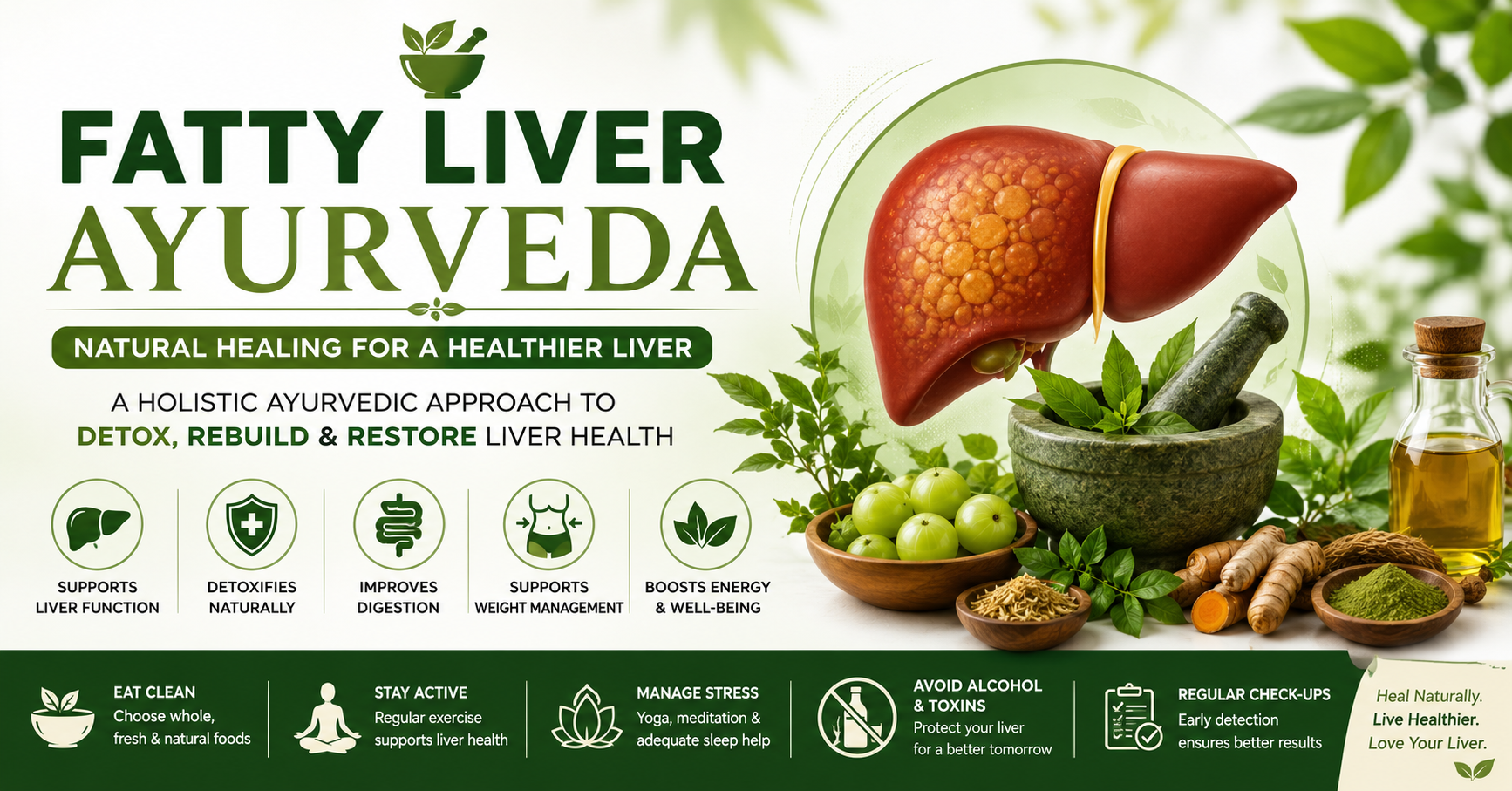
The liver is one of the most vital organs in the human body. It performs more than 500 essential functions, including filtering toxins, metabolizing nutrients, producing bile for digestion, storing vitamins, and regulating blood sugar and cholesterol levels. When excess fat begins to accumulate in the liver cells, it can affect the liver’s normal functioning, leading to a condition commonly known as fatty liver disease.
Fatty liver has become increasingly common due to sedentary lifestyles, unhealthy eating habits, obesity, diabetes, excessive alcohol consumption, and chronic stress. In its early stages, the condition often causes no noticeable symptoms, which is why it is frequently referred to as a “silent” health concern. If left unmanaged, however, fatty liver may progress to inflammation, scarring, or more serious liver complications.
Ayurveda, the ancient system of holistic medicine, approaches liver health by addressing the underlying imbalances within the body rather than focusing solely on the liver itself. It emphasizes improving digestion, balancing the doshas, eliminating accumulated toxins, supporting metabolism, and encouraging sustainable lifestyle changes. This comprehensive approach aims to restore overall well-being while supporting healthy liver function.
If you are exploring fatty liver ayurveda, understanding how Ayurvedic principles can complement healthy lifestyle habits may help you make informed decisions about supporting your liver health naturally.
What Is Fatty Liver Disease?
Fatty liver disease occurs when fat accumulates inside liver cells beyond normal levels. While a small amount of fat in the liver is considered normal, excessive fat accumulation can interfere with liver function over time.
The condition generally develops gradually and is often associated with metabolic disorders, obesity, insulin resistance, and poor dietary habits. In many individuals, early fatty liver can improve with appropriate lifestyle modifications, weight management, and medical guidance.
Types of Fatty Liver Disease
Understanding the type of fatty liver is important because the underlying causes and management strategies may differ.
Non-Alcoholic Fatty Liver Disease (NAFLD)
This is the most common form of fatty liver and occurs in individuals who consume little or no alcohol. It is commonly associated with obesity, type 2 diabetes, high cholesterol, metabolic syndrome, and insulin resistance.
Many people with NAFLD have no symptoms, and the condition is often discovered during routine health check-ups or imaging studies.
Alcohol-Related Fatty Liver Disease
Excessive alcohol consumption can impair the liver’s ability to process fats efficiently, resulting in fat accumulation within liver cells. Reducing or eliminating alcohol intake is an important part of managing this condition.
Common Symptoms of Fatty Liver
Many individuals with fatty liver experience no symptoms, especially during the early stages. When symptoms do occur, they may include:
- Persistent fatigue
- Mild discomfort or heaviness in the upper right abdomen
- Feeling tired even after adequate rest
- Difficulty concentrating
- Unexplained weakness
- Loss of energy
- Mild bloating
- Reduced appetite in some cases
As liver disease progresses, additional symptoms may develop. Any persistent or concerning symptoms should be evaluated by a qualified healthcare professional.
What Causes Fatty Liver?
Fatty liver usually develops due to a combination of lifestyle, metabolic, and medical factors.
Obesity
Excess body weight increases the likelihood of fat accumulation in the liver, particularly when excess fat is concentrated around the abdomen.
Type 2 Diabetes
Insulin resistance affects the body’s ability to regulate blood sugar and fat metabolism, increasing the risk of fatty liver.
High Cholesterol and Triglycerides
Elevated blood lipid levels may contribute to increased fat storage in liver cells.
Poor Dietary Habits
Frequent consumption of processed foods, sugary beverages, refined carbohydrates, and foods high in saturated fat may contribute to the development of fatty liver.
Physical Inactivity
A sedentary lifestyle reduces calorie expenditure and may promote weight gain and metabolic imbalance.
Excess Alcohol Consumption
Alcohol places additional stress on the liver and can contribute to fat accumulation and inflammation.
Certain Medications
Some medications may affect liver function. Always discuss medication-related concerns with your healthcare provider.
Risk Factors
You may have a higher likelihood of developing fatty liver if you have:
- Obesity
- Type 2 diabetes
- High blood pressure
- High cholesterol
- Metabolic syndrome
- PCOS
- Sedentary lifestyle
- Family history of liver disease
- Poor eating habits
- Sleep disorders
Recognizing these risk factors early provides an opportunity to make lifestyle changes that support liver health.
Fatty Liver According to Ayurveda
Ayurveda views the liver as an important organ involved in digestion, metabolism, and purification. Rather than considering fatty liver as an isolated condition, Ayurveda evaluates how imbalances in digestion, metabolism, and the body’s natural regulatory systems may contribute to fat accumulation and reduced liver efficiency.
According to Ayurvedic principles, poor digestive fire (Agni) may lead to incomplete digestion and the formation of Ama, a term used to describe metabolic waste or toxins that accumulate in the body. Over time, these imbalances may affect normal liver function and overall health.
Dosha Imbalance and Liver Health
Pitta Dosha
Pitta governs metabolism and transformation. When imbalanced, it may contribute to inflammation, digestive disturbances, and heat-related conditions affecting the liver.
Kapha Dosha
Kapha is associated with structure and storage. Excess Kapha may contribute to sluggish metabolism, weight gain, and fat accumulation.
Vata Dosha
Vata regulates movement throughout the body. An imbalance may affect digestion, circulation, and nutrient distribution, indirectly influencing overall health.
Ayurvedic treatment plans are individualized and aim to restore balance among the doshas while supporting healthy digestion and metabolism.
Ayurvedic Assessment
Before recommending treatment, an Ayurvedic practitioner typically conducts a detailed consultation that may include:
- Body constitution (Prakriti)
- Current dosha imbalance (Vikriti)
- Digestive strength (Agni)
- Presence of Ama
- Dietary habits
- Lifestyle
- Stress levels
- Sleep quality
- Medical history
- Current medications
- Overall health status
This comprehensive assessment helps create a personalized wellness plan rather than relying on a standardized approach.
Why Early Management Matters
Fatty liver often develops silently, making regular health check-ups important, especially for individuals with diabetes, obesity, or other metabolic risk factors. Combining medical guidance with healthy eating, regular physical activity, adequate sleep, and evidence-informed Ayurvedic practices may support overall liver health and reduce the risk of progression.
Ayurvedic Treatment for Fatty Liver
Ayurveda emphasizes treating the root cause of illness rather than simply addressing symptoms. In the case of fatty liver, the primary goals are to improve digestion, support metabolism, promote healthy liver function, reduce the accumulation of metabolic waste (Ama), and encourage sustainable lifestyle changes.
Treatment recommendations are personalized after evaluating the individual’s body constitution (Prakriti), dosha imbalance, overall health, and medical history.
Panchakarma Therapy for Liver Health
Panchakarma is a traditional Ayurvedic detoxification approach that aims to eliminate accumulated toxins, restore dosha balance, and improve overall wellness.
Depending on an individual’s health status, an Ayurvedic practitioner may recommend specific Panchakarma procedures as part of a broader treatment plan.
Potential Benefits
- Supports healthy digestion
- Promotes efficient metabolism
- Encourages detoxification
- Helps maintain liver function
- Improves energy levels
- Supports weight management when combined with healthy habits
Panchakarma should always be performed under the supervision of a qualified Ayurvedic practitioner.
Herbal Medicines Used in Ayurveda
Ayurveda has traditionally used various herbs to support liver health. These herbs should only be taken under professional guidance, especially if you have existing liver disease or take prescription medications.
Bhumyamalaki (Phyllanthus niruri)
Bhumyamalaki is widely recognized in Ayurveda for supporting liver health.
Traditional uses include:
- Supporting normal liver function
- Promoting healthy digestion
- Helping maintain metabolic balance
- Supporting natural detoxification processes
Kutki (Picrorhiza kurroa)
Kutki is valued in Ayurvedic medicine for its traditional use in supporting liver and digestive health.
Potential benefits include:
- Supporting bile production
- Promoting digestion
- Maintaining healthy liver function
- Supporting metabolism
Kalmegh (Andrographis paniculata)
Kalmegh has been traditionally used for maintaining liver health and supporting the body’s natural cleansing processes.
It is often included in Ayurvedic formulations for digestive wellness.
Guduchi (Tinospora cordifolia)
Guduchi is considered a rejuvenating herb in Ayurveda.
It is traditionally used to:
- Support immune function
- Promote healthy metabolism
- Support overall wellness
- Maintain digestive balance
Amla (Indian Gooseberry)
Rich in antioxidants and Vitamin C, Amla is widely used in Ayurvedic practice.
Potential benefits include:
- Supporting antioxidant defenses
- Promoting digestion
- Supporting liver health
- Contributing to overall wellness
Turmeric (Haridra)
Turmeric contains curcumin, a naturally occurring compound that has been widely studied for its antioxidant and anti-inflammatory properties.
It is commonly included in balanced diets and Ayurvedic formulations that support general health.
Ayurvedic Diet for Fatty Liver
Diet is one of the most important components of managing fatty liver. Ayurveda encourages eating fresh, wholesome foods that are easy to digest and support healthy metabolism.
Foods to Include
Choose nutrient-rich foods such as:
- Fresh vegetables
- Leafy greens
- Seasonal fruits
- Whole grains
- Lentils and legumes
- Freshly prepared soups
- Healthy fats in moderation
- Nuts and seeds
- Fresh herbs
- Adequate water
These foods support overall health and may contribute to healthy weight management when combined with regular physical activity.
Foods to Limit
Reducing certain foods may help improve metabolic health.
Limit:
- Sugary beverages
- Processed foods
- Deep-fried foods
- Refined flour products
- Excess sweets
- Fast food
- Highly processed snacks
- Excess salt
- Foods high in saturated fat
- Alcohol (avoid unless advised otherwise by your healthcare provider)
Importance of Digestive Health
Ayurveda places great emphasis on maintaining a strong digestive fire (Agni). Efficient digestion helps the body absorb nutrients effectively and supports overall metabolic balance.
Simple practices include:
- Eating meals at regular times
- Avoiding overeating
- Eating freshly prepared foods
- Limiting late-night meals
- Chewing food thoroughly
- Staying hydrated throughout the day
Lifestyle Changes for Better Liver Health
Healthy daily habits are essential for managing fatty liver.
Maintain a Healthy Weight
Gradual weight loss through a balanced diet and regular exercise can support liver health.
Exercise Regularly
Aim for at least 150 minutes of moderate physical activity each week, unless advised otherwise by your healthcare provider.
Suitable activities include:
- Brisk walking
- Cycling
- Swimming
- Yoga
- Light strength training
Get Quality Sleep
Poor sleep may affect metabolism and overall health.
Aim for 7–8 hours of quality sleep every night.
Manage Stress
Chronic stress can influence eating habits, digestion, and overall well-being.
Helpful stress-management techniques include:
- Meditation
- Deep breathing exercises
- Mindfulness
- Spending time outdoors
- Yoga
Yoga for Liver Health
Yoga supports flexibility, circulation, stress management, and overall wellness.
Commonly recommended practices include:
- Bhujangasana (Cobra Pose)
- Ardha Matsyendrasana (Half Spinal Twist)
- Dhanurasana (Bow Pose)
- Vajrasana
- Setu Bandhasana (Bridge Pose)
These practices should be performed under proper guidance, especially for beginners or individuals with medical conditions.
Can Ayurveda Reverse Fatty Liver?
The outcome depends on several factors, including the stage of fatty liver, overall health, body weight, associated medical conditions, and adherence to recommended lifestyle changes.
Many people with early-stage fatty liver experience improvements in liver health through medically supervised weight management, balanced nutrition, regular physical activity, and treatment plans recommended by qualified healthcare professionals. Ayurvedic care may be used as a complementary approach to support overall wellness, but it should not replace evidence-based medical evaluation or treatment.
When Should You Consult an Ayurvedic Doctor?
Consider seeking professional advice if you experience:
- Persistent fatigue
- Ongoing digestive discomfort
- Unexplained abdominal heaviness
- Difficulty maintaining a healthy weight
- Previously diagnosed fatty liver
- Metabolic disorders such as diabetes or high cholesterol
An Ayurvedic practitioner can work alongside your primary healthcare provider to develop a personalized wellness plan that complements your overall treatment strategy.
How to Prevent Fatty Liver Naturally
Although not every case of fatty liver can be prevented, adopting healthy daily habits can significantly reduce the risk of developing liver-related problems and support long-term liver health.
Follow a Balanced Diet
Choose fresh, nutrient-rich foods instead of processed meals. A balanced diet that includes vegetables, fruits, whole grains, lean protein, legumes, and healthy fats supports overall metabolic health and helps maintain a healthy weight.
Exercise Regularly
Regular physical activity improves metabolism, supports weight management, and helps reduce fat accumulation in the body. Aim for at least 30 minutes of moderate exercise on most days of the week.
Maintain a Healthy Weight
Gradual and sustainable weight loss, when needed, can help improve liver health. Rapid weight-loss diets should be avoided unless supervised by a healthcare professional.
Stay Hydrated
Drinking enough water throughout the day supports digestion and normal body functions.
Limit Alcohol Consumption
Excessive alcohol intake can damage liver cells. If you have liver disease or fatty liver, follow your healthcare provider’s recommendations regarding alcohol use.
Manage Medical Conditions
Proper management of diabetes, high cholesterol, obesity, and high blood pressure is important for protecting liver health.
Avoid Unnecessary Medications
Always take medicines as prescribed. Some medications and supplements may affect liver function if used incorrectly.
When Should You Seek Medical Advice?
Consult a qualified healthcare professional if you experience:
- Persistent fatigue
- Unexplained weight changes
- Ongoing digestive discomfort
- Pain or heaviness in the upper right abdomen
- Abnormal liver function test results
- A diagnosis of fatty liver requiring ongoing management
Early evaluation allows timely diagnosis and appropriate treatment.
Conclusion
The liver plays a vital role in maintaining overall health, and caring for it requires more than temporary solutions. Ayurveda offers a holistic perspective by emphasizing balanced nutrition, improved digestion, healthy lifestyle habits, stress management, and personalized care.
When combined with evidence-based medical guidance, regular physical activity, and sustainable dietary changes, Ayurvedic principles may support overall liver wellness and help individuals adopt healthier long-term habits.
If you have been diagnosed with fatty liver or are experiencing symptoms that concern you, consult both your healthcare provider and a qualified Ayurvedic practitioner to develop a treatment plan tailored to your individual needs.