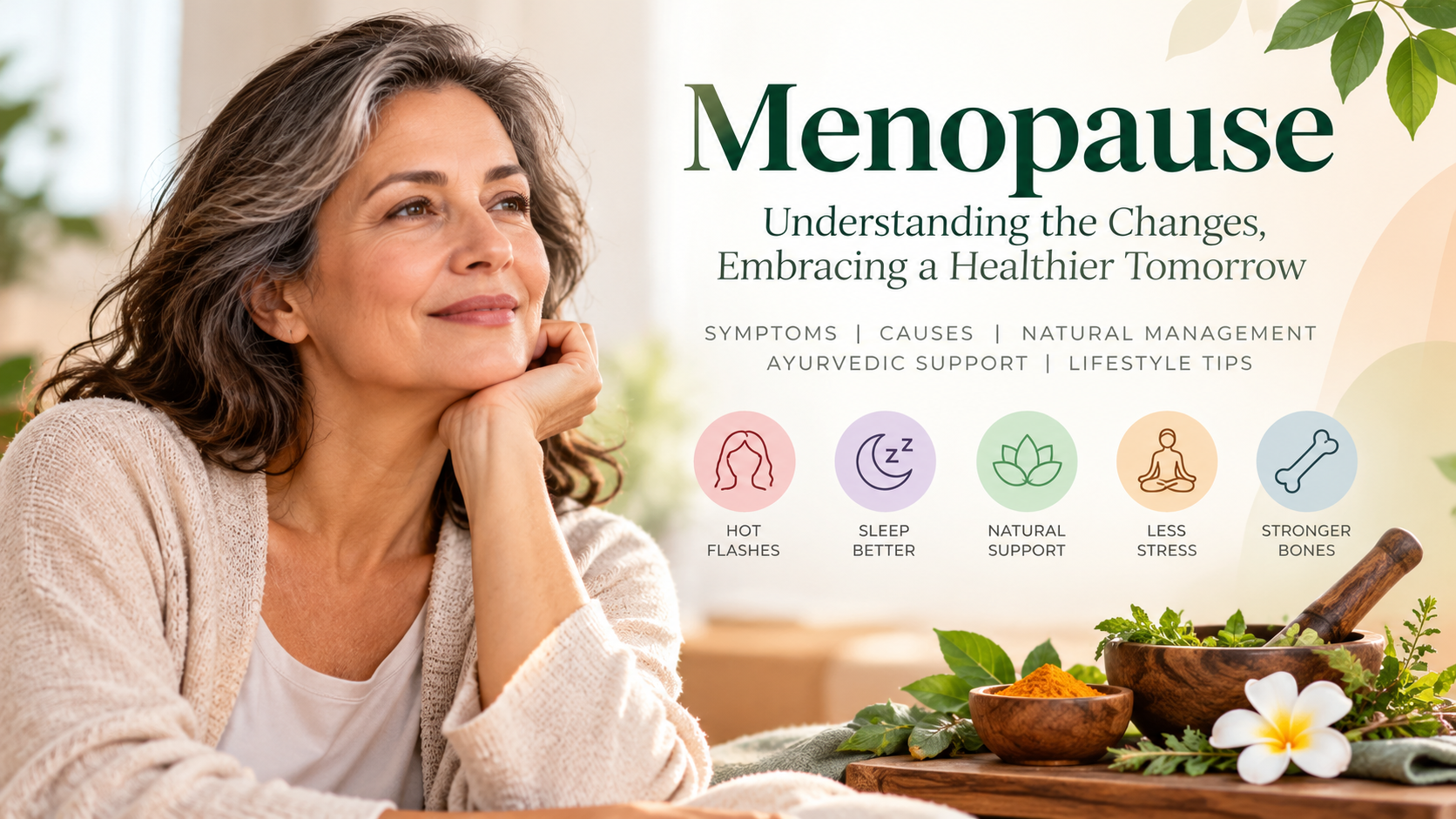
Menopause is a natural stage in a woman’s life that marks the end of her menstrual cycles. It is a normal biological process that usually occurs between the ages of 45 and 55, although the timing can vary from one woman to another. While menopause is a natural transition, the physical and emotional changes associated with it can sometimes affect daily comfort, sleep, relationships, and overall quality of life.
Understanding menopause, recognising its symptoms, and making appropriate lifestyle changes can help women navigate this phase with greater confidence. From balanced nutrition and regular exercise to stress management and traditional wellness practices, several approaches can support overall well-being during the menopausal transition.
This guide explores the causes and symptoms of menopause, its different stages, practical management strategies, and the potential role of Ayurveda in supporting women’s health.
What Is Menopause?
Menopause is defined as the point when a woman has gone 12 consecutive months without a menstrual period, provided there is no other medical explanation for the absence of menstruation.
It occurs because the ovaries gradually reduce their production of reproductive hormones, particularly oestrogen and progesterone. These hormonal changes are a normal part of ageing and eventually lead to the end of natural menstrual cycles.
Although menopause is not an illness, the hormonal changes involved can cause symptoms that vary in intensity and duration. Some women experience only mild changes, while others may require professional support to manage symptoms that interfere with everyday activities.
Recognising menopause as a natural life transition can help women make informed decisions about their health and seek appropriate care when needed.
What Are the Stages of Menopause?
The menopausal transition generally occurs in three stages.
1. Perimenopause
Perimenopause is the transitional period leading up to menopause. During this stage, hormone levels fluctuate, and menstrual cycles may become irregular.
Women may experience hot flashes, night sweats, sleep disturbances, mood changes, and changes in menstrual flow. Perimenopause can begin several years before the final menstrual period.
Pregnancy may still be possible during this stage, so women who do not wish to conceive should discuss appropriate contraception with a healthcare professional.
2. Menopause
Menopause is confirmed after 12 consecutive months without a menstrual period, when the absence of periods is not caused by another condition.
At this stage, ovarian hormone production has significantly declined. Some symptoms, including hot flashes and vaginal dryness, may continue after the final menstrual period.
3. Postmenopause
Postmenopause refers to the years following menopause. During this stage, some symptoms gradually improve, while others may persist.
Lower oestrogen levels can increase the risk of osteoporosis, changes in cholesterol levels, and certain urinary or vaginal symptoms. Regular health assessments, physical activity, and appropriate preventive care become particularly important during this period.
Common Symptoms of Menopause
Menopause affects every woman differently. Symptoms can range from mild and temporary to persistent and disruptive.
1. Hot Flashes and Night Sweats
Hot flashes are among the most common symptoms of menopause. They involve a sudden feeling of warmth, often affecting the face, neck, and chest. Some women experience sweating, skin redness, or a rapid heartbeat.
Night sweats are hot flashes that occur during sleep and may cause repeated awakenings.
Keeping the bedroom cool, wearing breathable clothing, identifying personal triggers, and practising relaxation techniques may help manage these symptoms. Women experiencing severe or persistent hot flashes should discuss evidence-based treatment options with a healthcare professional.
2. Irregular Menstrual Cycles
Changes in menstrual patterns often occur during perimenopause. Periods may become shorter, longer, lighter, heavier, or less predictable.
Although irregular periods are common during this transition, unusually heavy bleeding, bleeding between periods, or any bleeding after menopause should be medically evaluated.
3. Sleep Problems
Hormonal changes, night sweats, stress, and changes in sleep patterns can contribute to insomnia or interrupted sleep.
Maintaining a consistent bedtime, limiting caffeine later in the day, keeping the sleeping environment comfortable, and following a relaxing evening routine may improve sleep quality.
If sleep problems continue despite these changes, professional assessment can help identify underlying causes and suitable treatments.
4. Mood Changes and Emotional Health
Some women experience irritability, anxiety, reduced motivation, or mood fluctuations during menopause. Hormonal changes, poor sleep, work demands, and personal circumstances may all contribute.
Mindfulness, gentle exercise, social connection, and relaxation practices may support emotional well-being. Persistent sadness, severe anxiety, or loss of interest in daily activities deserves professional attention rather than being dismissed as a normal part of ageing.
5. Vaginal Dryness and Urinary Changes
Reduced oestrogen levels can cause vaginal tissues to become thinner, drier, and less elastic. Women may experience discomfort during sexual activity, irritation, or urinary symptoms.
Water-based lubricants and vaginal moisturisers may help relieve dryness. Local vaginal oestrogen and other treatments may be appropriate for some women after a medical assessment.
Painful urination, recurrent urinary infections, or unexplained urinary symptoms should be discussed with a healthcare professional.
6. Changes in Skin and Hair
Some women notice drier skin, changes in skin elasticity, or hair thinning during menopause. These changes may be influenced by hormonal shifts, ageing, nutrition, genetics, and other health factors.
Gentle skincare, sun protection, adequate protein intake, and a balanced diet can support general skin and hair health. Sudden or significant hair loss may require evaluation for other causes, including thyroid problems or nutritional deficiencies.
7. Weight Changes and Metabolic Health
Weight distribution can change during midlife, with some women noticing increased abdominal fat. Ageing, reduced muscle mass, sleep disturbances, activity levels, and hormonal changes can all contribute.
Regular strength training, aerobic exercise, balanced meals, and adequate sleep can help support a healthy body composition and metabolic health.
8. Joint Discomfort and Reduced Energy
Joint stiffness, muscle discomfort, and fatigue may occur during the menopausal transition. However, these symptoms can also result from other medical conditions, so persistent or severe discomfort should not automatically be attributed to menopause.
Appropriate exercise, mobility activities, adequate nutrition, and medical assessment when necessary can help women manage these concerns.
What Causes Menopause?
The primary cause of natural menopause is the gradual decline in ovarian function and reproductive hormone production.
As women age, the number of functioning ovarian follicles decreases. This affects the production of oestrogen and progesterone and eventually stops regular ovulation and menstruation.
Other factors can influence when menopause occurs. These include:
- Ageing: Natural menopause most commonly occurs between 45 and 55 years.
- Surgery: Removal of both ovaries can cause immediate surgical menopause.
- Medical treatments: Chemotherapy, radiation affecting the ovaries, and certain medical treatments may cause early or temporary menopause.
- Genetics: Family history may influence the age at which menopause begins.
- Smoking: Smoking is associated with an earlier onset of menopause.
Menopause before age 40 is considered premature menopause and requires medical evaluation. Menopause occurring between ages 40 and 45 is generally described as early menopause.
How Is Menopause Diagnosed?
For women over 45 who have typical symptoms and changes in their menstrual cycles, menopause is often identified through their medical history and symptoms.
Routine hormone testing is not always necessary because hormone levels fluctuate during perimenopause. However, a healthcare professional may recommend blood tests or other investigations when symptoms are unusual, menopause occurs at a younger age, or another medical condition needs to be ruled out.
Depending on individual circumstances, assessment may include thyroid testing, blood count testing, or investigations for abnormal bleeding.
Women should seek medical advice for unusually heavy bleeding, persistent pelvic pain, or bleeding after menopause. Early assessment helps identify conditions that may require treatment.
Ayurvedic Perspective on Menopause
Ayurveda is a traditional Indian system of medicine that emphasises balance, daily routines, nutrition, movement, and overall well-being.
In Ayurvedic literature, menopause is commonly discussed in relation to the natural ageing process and changes in the body’s functional systems, including the doshas. Traditional practitioners may consider individual symptoms, digestion, sleep, emotional well-being, and daily habits when developing a supportive wellness plan.
Ayurvedic approaches may include dietary guidance, gentle yoga, breathing exercises, meditation, massage, and personalised lifestyle recommendations.
These practices may help support relaxation, mobility, and general quality of life. However, scientific evidence for Ayurveda as a treatment for menopause-specific symptoms remains limited, and it should not be presented as a proven way to restore hormone levels or prevent menopause-related disease.
Women seeking guidance from an ayurvedic hospital in abu dhabi should choose a properly licensed healthcare facility and qualified practitioner who can assess their individual needs, explain the available evidence, and recognise when referral to a conventional medical specialist is necessary.
Ayurvedic Practices That May Support Menopausal Well-Being
1. Personalised Dietary Guidance
Ayurvedic dietary approaches often emphasise fresh, balanced meals and regular eating habits. A nutritious diet can support energy, bone health, digestion, and general well-being during menopause.
Women may benefit from including vegetables, fruits, whole grains, legumes, nuts, seeds, and suitable protein sources in their daily meals.
Adequate calcium and vitamin D are particularly important for bone health. Dairy products, calcium-fortified alternatives, and other calcium-rich foods can contribute to calcium intake. A healthcare professional can advise whether supplementation is necessary.
2. Yoga and Gentle Movement
Gentle yoga, stretching, and mindful movement may support flexibility, balance, relaxation, and sleep quality.
Women should select exercises according to their fitness levels and medical needs. Weight-bearing activity and resistance training are particularly valuable for maintaining bone strength and muscle mass.
Yoga can complement medical care, but it should not replace treatment for severe hot flashes, osteoporosis, or other medical conditions.
3. Meditation and Breathing Exercises
Mindfulness, meditation, and slow breathing may help reduce stress and improve emotional regulation.
A short daily practice can be a practical way to manage tension and establish a calming routine. These techniques may also support relaxation before bedtime.
Their effects vary between individuals, and they are best considered supportive practices rather than direct treatments for hormonal changes.
4. Massage and Relaxation Therapies
Some women find massage and other relaxation practices helpful for reducing muscle tension and improving their sense of comfort.
The choice of therapy should take account of individual health conditions, skin sensitivity, mobility, and personal preferences. Massage should be provided by a suitably trained practitioner, especially when a woman has osteoporosis or another condition that makes certain techniques unsuitable.
5. Herbal Preparations and Supplements
Ayurvedic herbal preparations are sometimes recommended for menopausal symptoms. However, the quality of evidence varies considerably, and not all products have been adequately tested for safety or effectiveness.
Certain herbs and supplements can interact with prescription medicines, affect the liver, or contain undisclosed ingredients or contaminants.
Women should consult a qualified healthcare professional before taking herbal products, particularly if they use regular medication or have existing health conditions. Natural products are not automatically safe, and herbal preparations should not replace prescribed treatment without medical guidance.
Lifestyle Tips for Managing Menopause Naturally
Simple, consistent lifestyle changes can support overall health throughout the menopausal transition.
Eat a Balanced Diet
Choose a variety of nutrient-rich foods, including vegetables, fruit, whole grains, legumes, nuts, seeds, and adequate protein. Limit excessive intake of highly processed foods and added sugars.
Women experiencing hot flashes may find it helpful to identify whether individual triggers include spicy foods, caffeine, or alcohol.
Exercise Regularly
Aim for a combination of aerobic activity, strength training, and balance exercises suited to your abilities. Walking, swimming, cycling, resistance exercises, and gentle yoga are possible options.
Regular movement can support heart health, bone strength, muscle function, mood, and weight management.
Maintain a Consistent Sleep Routine
Try to go to bed and wake up at similar times each day. Keep the bedroom cool, reduce screen exposure before bed, and avoid large meals close to bedtime.
Persistent insomnia or severe night sweats may require additional treatment.
Manage Stress
Stress management can include meditation, breathing exercises, time outdoors, hobbies, and maintaining supportive relationships.
Making time for relaxation is not a substitute for medical treatment, but it can be a useful part of a broader menopause management plan.
Protect Bone and Heart Health
Declining oestrogen levels can affect bone density and cardiovascular risk factors. Regular physical activity, a balanced diet, avoiding tobacco, and monitoring blood pressure and cholesterol can support long-term health.
Discuss bone density testing with a healthcare professional based on your age, medical history, and risk factors.
Medical Treatments for Menopause
Lifestyle changes and complementary therapies are not sufficient for every woman. Several evidence-based medical treatments are available, depending on symptoms, medical history, age, and personal preferences.
Menopausal Hormone Therapy
Menopausal hormone therapy can be an effective treatment for troublesome hot flashes and night sweats. It may also help prevent bone loss in appropriate patients.
Treatment may involve oestrogen alone for women who have had a hysterectomy or oestrogen combined with a progestogen for women who still have a uterus, depending on their circumstances.
The benefits and risks differ according to age, time since menopause, medical history, and treatment type. A qualified healthcare professional can help determine whether hormone therapy is appropriate.
Non-Hormonal Treatments
For women who cannot or do not wish to use hormone therapy, certain prescription medicines and other evidence-based options may help manage hot flashes or associated symptoms.
Vaginal moisturisers, lubricants, local vaginal oestrogen, and other targeted treatments may be recommended for genitourinary symptoms, depending on individual needs.
The most suitable approach depends on symptom severity, treatment preferences, and overall health.
When Should You Consult a Healthcare Professional?
Professional guidance is important when menopause symptoms interfere with everyday life, sleep, emotional health, or personal relationships.
Consider arranging an appointment if you experience:
- Severe or persistent hot flashes and night sweats.
- Ongoing sleep difficulties or significant mood changes.
- Pain during sexual activity or persistent vaginal dryness.
- Unexplained fatigue, hair loss, or joint pain.
- Menopause symptoms before age 45, especially before age 40.
- Heavy, prolonged, or unusual menstrual bleeding.
- Any vaginal bleeding after menopause.
Seek urgent medical attention for severe bleeding accompanied by dizziness or fainting, chest pain, or sudden difficulty breathing.
A healthcare professional can help distinguish menopause symptoms from other medical conditions and develop a management plan suited to your needs.
Frequently Asked Questions About Menopause
1. At What Age Does Menopause Usually Begin?
Natural menopause most commonly occurs between ages 45 and 55, with an average age of approximately 51 in many populations. The timing varies according to individual and genetic factors.
2. How Long Do Menopause Symptoms Last?
The duration varies considerably. Some symptoms improve within a few years, while hot flashes and other symptoms may continue for longer. Individual assessment can help identify suitable management options.
3. Can Menopause Be Managed Naturally?
Lifestyle measures such as regular exercise, balanced nutrition, stress management, and good sleep habits can support general well-being. Some women also find yoga and relaxation practices helpful. However, natural approaches do not reliably eliminate every symptom, and medical treatment may be necessary.
4. Is Weight Gain Inevitable During Menopause?
No. Changes in hormones, muscle mass, activity levels, sleep, and metabolism can influence body composition, but substantial weight gain is not inevitable. Strength training, regular movement, balanced meals, and adequate sleep can help.
5. Is Ayurveda Helpful During Menopause?
Certain Ayurvedic lifestyle practices may support relaxation, physical comfort, and general well-being. However, evidence supporting specific Ayurvedic treatments for menopause symptoms is limited. Consult a qualified practitioner and discuss herbal products with your healthcare professional before use.
6. Can Menopause Affect Bone Health?
Yes. Reduced oestrogen levels can accelerate bone loss and increase the risk of osteoporosis. Adequate calcium and vitamin D, weight-bearing exercise, resistance training, and appropriate medical assessment can help protect bone health.
7. Can Pregnancy Occur During Perimenopause?
Yes. Ovulation may still occur during perimenopause, even when periods are irregular. Women who wish to avoid pregnancy should discuss contraception with a healthcare professional. Contraceptive advice depends on age, medical history, and individual circumstances.
Conclusion
Menopause is a natural stage of life that brings changes in hormone levels, menstrual patterns, sleep, mood, and physical health. Although these changes can sometimes be challenging, understanding the transition and seeking appropriate support can help women maintain comfort, confidence, and long-term well-being.
A balanced diet, regular exercise, stress management, healthy sleep habits, and preventive healthcare form the foundation of menopause care. Ayurvedic lifestyle practices may complement these measures when chosen carefully, while evidence-based medical treatments can provide additional relief for persistent or severe symptoms.
Every woman’s experience is different. Consulting qualified healthcare professionals and choosing an individualised approach can help make the menopausal transition more manageable and support a healthier, more active life in the years ahead.
Disclaimer: This article is for educational purposes only and does not replace professional medical advice, diagnosis, or treatment. Consult a qualified healthcare professional before starting new treatments, supplements, or herbal preparations.